VIDEO about Community-led Total Sanitation in Indonesia – PCI

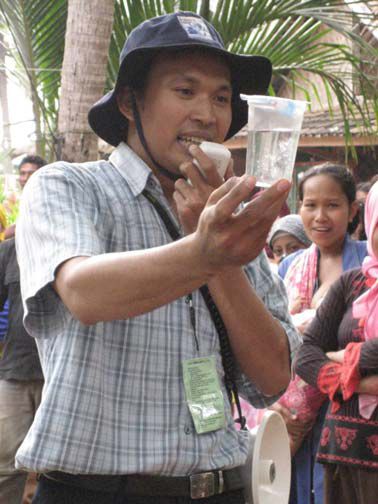
Solihin asks the crowd whether anyone wants to drink a cup of feces-contaminated water.

Project Concern International (PCI) is the first NGO in Indonesia to fully implement Community-led Total Sanitation (CLTS) and offer no subsidies to communities. Watch the video here (and listen to some cool music):

View or download VIDEO here (MPEG4)
Download high-quality video (MPEG2, 700MB)

This video is about 18 minutes in length and shows how CLTS gets started in a community. The CLTS method emphasizes the importance of “natural leaders,” community members who emerge during the triggering session and demonstrate strong motivation and resolve to help their village become “open defecation free.” Continue reading “VIDEO about Community-led Total Sanitation in Indonesia – PCI”

Stories from the Field: Realities of field work at 14,000 feet.

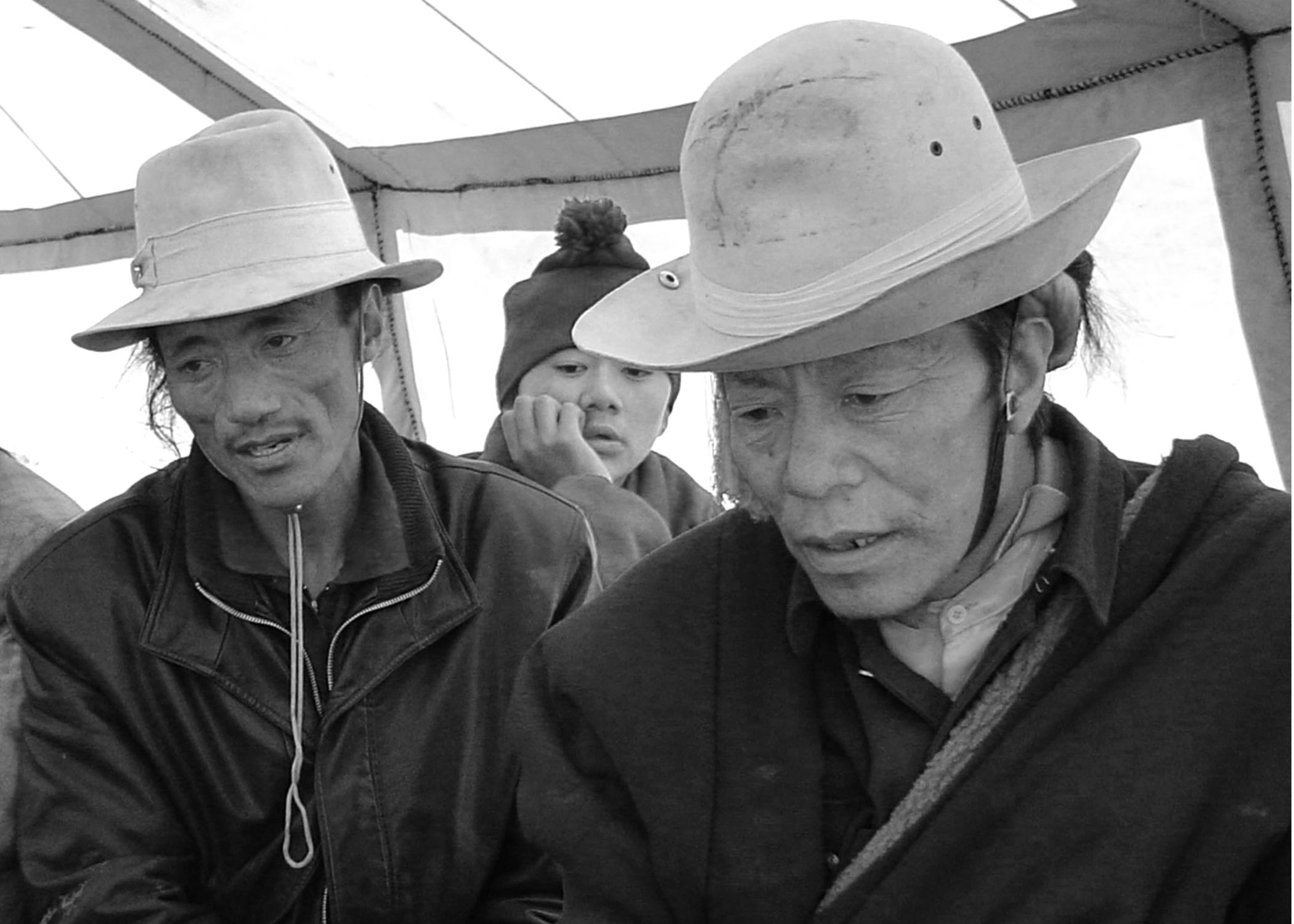
High in China’s western Qinghai province is a small village where project DROLMA is based. The population consists of 2,800 nomadic people who move twice a year, to and from their summer encampments which reach 15,420 feet into the sky. The conditions are harsh with short growing seasons; their traditional diet consists of roasted barley flour mixed with yak butter and salted tea. A centrally located monastery with 52 monks in residence provides the spiritual guidance for this community. It was the wisdom of one of their spiritual leaders that made the project a reality. He reached out for assistance, seeking new ideas for problems that have challenged his people for decades. Continue reading “Stories from the Field: Realities of field work at 14,000 feet.”

Stories from the Field: Blowing whistles for change.

According to the UN, 2.6 billion people around the world do not have access to what we take for granted, a clean and safe latrine. The UN General Assembly declared the year 2008 the International Year of Sanitation, the goal is to raise awareness and to accelerate progress towards the Millennium Development Goal (MDG) target to reduce by half the proportion of the 2.6 billion people without access to basic sanitation by 2015.

According to the WHO, about 2 million people die every year due to diarrheal diseases caused by poor sanitation and hygiene; most of them are children less than 5 years of age.To help combat this, Plan is pioneering new approach in Asia and East and Southern Africa – Community-Led Total Sanitation (CLTS), which educates communities about the importance of sanitation and helps them to construct and maintain their own latrines. Dr. Selina Amin brought to our attention the work of the Jaldhaka Program Unit of Plan Bangladesh.

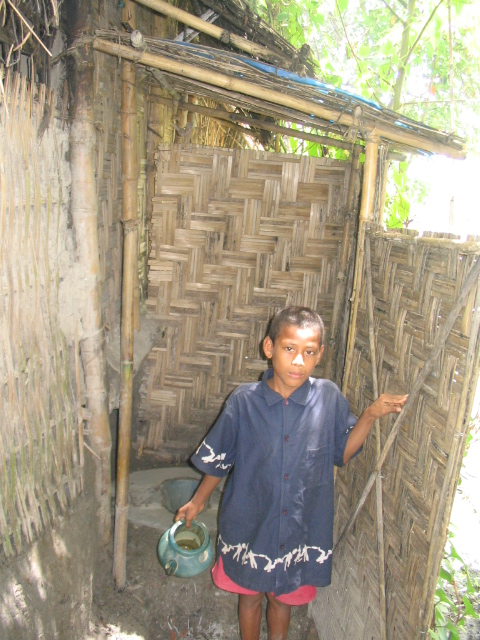
The Jaldhaka Program Unit is situated at the northern part of Bangladesh. Their target population included 100,000 children and adults in rural communities where lack of appropriate facilities led to open defecation. CLTS was introduced, and a creative approach was added – active involvement of children. They call it the Child-to-Child (CtC) approach, where children became active participants in changing community behaviors. Armed with knowledge, flags and a whistle, children were empowered to participate by alerting the community with whistles when someone was caught not using a latrine. Continue reading “Stories from the Field: Blowing whistles for change.”

Stories from the Field: One individual at a time

Public-private partnerships are transforming public health, creating new opportunities to broaden our reach with new partners and ideas. Some of the terminology or business methodology used on the private side is new to those on the public sector. But over time, these differences add to the creative spirit behind such partnerships. Such differences help drive transformations for both public and private organizations, offering new ideas that are tested in one venue and become transferable to another.

Dr. Elvira Beracochea has worked in both the private and public sector, and combined these experiences to create MIDEGO. The model she developed takes basic principles of business management and tailors them to meet the needs of NGO’s. Coaching, mentoring and training are standard development tools offered in the private sector, often used to reinforce a positive culture of growth and development. For NGO’s this is a luxury, where every dollar is scrutinized and valued against the larger needs they serve. Yet for NGO’s, these development needs are just as great or even greater than in the private sector. Continue reading “Stories from the Field: One individual at a time”

Stories from the Field: Just and Lasting Change

On May 28th, Prof. Carl Taylor was honored as the inaugural recipient of the Global Health Council LifetimePhoto by Medora Hebert, Global Health Council Achievement Award for his dedication to improving the health care of the world’s most marginalized people through innovative and sustainable community-based interventions. During his acceptance speech, Dr Taylor discussed the future of global health and that new directions will be required to meet the challenges as globalization takes over. He talked about the need to focus on “peoples self reliant social change” and that the greatest problem is going to be the issue of the “worlds total health ecology”. This is when the “3-way partnership” is important; where in addition to the top down officials and programs, and bottom-up self reliant communities, a new generation of health professionals must emerge that specialize in bringing the top and bottom together to find new patterns for collaboration. When this is accomplished, Dr Taylor believes that health for all will be possible and mutual empowerment will begin. (Photo by Medora Hebert, Global Health Council) Continue reading “Stories from the Field: Just and Lasting Change”