

This is the first part of a IH Blog series on Universal Health Coverage.
Blog I- An Overview Of Universal Health Coverage
By Martha Smee MPH (c) MMS (c) and Dr. Heather F. McClintock PhD MSPH MSW
You can learn a lot about a country and its leaders from how much they value their population’s health, particularly the health of the most vulnerable citizens. Health is the basis upon which social well-being, economic development, and environmental prosperity are sustainably built. Universal health coverage (UHC) is one way that governments can show that they value their citizens’ health, providing all individuals the opportunity to thrive, both in physical and mental health and all other areas of life. Globally, there has been growing interest around the idea of UHC, especially since the turn of the 21st century. In 2000, the United Nations (UN) released their Millennium Development Goals (MDGs). Several MDGs were health-oriented, emphasizing the importance of maternal and child health and controlling communicable diseases like HIV/AIDS and malaria. The UN made explicit reference to the need for UHC in their Sustainable Development Goals (SDGs) that were released in 2015. UN SDG 3.8 states: “Achieve universal health coverage, including financial risk protection, access to quality essential health-care services and access to safe, effective, quality and affordable essential medicines and vaccines for all.” The aim is to achieve this by 2030.
Let’s back up for a moment. What is UHC? There are many definitions. This one from the World Health Organization (WHO) succinctly encompasses the central concepts: “All people having access to the full range of quality health services they need, when and where they need them, without financial hardship.” Two main tenets stand out in this definition. First is full accessibility to all peoples. This includes every stage of disease, including prevention, and every part of the body, including mental health. Almost 1 billion people suffer from mental illness, and many do not receive needed care. Among those living with mental illness in low-income countries, 75% do not receive treatment. In countries coping with conflict and violence, the prevalence of mental illness is even higher. We can no longer ignore the impact that mental health conditions have on all aspects of society. The second important tenet is no financial hardship. Approximately 90 million people across the world go into poverty due to medical expenses every year. That is simply not acceptable. UHC has expanded since SDG 3.8’s introduction, with the greatest strides being made on the African continent. However, 30% of the world still cannot access essential health services.
There are some key components to consider in moving forward on the path towards achieving UHC. First, reaching this goal will require a multisectoral approach. Population health is essential to the success of all sectors. Without health, businesses lose human resources and customers; teachers cannot teach and students cannot learn; farmers struggle to feed the world. With a goal as lofty as UHC, we need all the buy-in we can get. We must tap into the personal interests of different sectors, making them realize their role as a stakeholder in population health including community grassroots activists and partisan governmental leaders. This means engaging key stakeholders across the continuum of health prevention to treatment and incentivizing involvement in ways that can elicit much needed changes. Using this approach could be especially impactful in developing countries with young populations and huge potential for economic growth. Second, primary care and public health are key. Primary care, and to an even greater extent, public health bring the most value to a health system. As famous Philadelphian Benjamin Franklin once said, “An ounce of prevention is worth a pound of cure.” Chronic illness costs the U.S. over $3.5 trillion every year. Compared to being reactive, placing an emphasis on primary and secondary prevention at all social-ecological levels saves money and saves lives. More and more low- and middle-income countries are moving through an epidemiological transition and feeling the impact of chronic disease on their populations, making it clear that the principles of prevention have a place in countries across the globe. Third, start at home. UHC is not going to look the same in every country or even every community. Countries must use the strengths of existing systems and improve upon them, all while listening to what citizens want. In the U.S., a majority of citizens believe that the government should be responsible for providing UHC. The U.S. may avoid undertaking UHC policy development, but individual states have taken initiative. California is currently on track to become the first state to offer UHC to all low-income residents, even if they are undocumented. Overall, there is no need to reinvent the wheel. Countries of all incomes, cultures, and circumstances have achieved UHC and can be a blueprint; Turkey, Iran, and Mexico are great examples for low- and middle-income countries that have made notable strides towards UNC.
Several criticisms of UNC are worth noting, including that it is based in idealism. Despite these limitations, there is a wealth of evidence that indicates that UNC is associated with improved health indicators. Greater UHC is correlated with higher life expectancy at birth and fewer unmet healthcare needs. By contrast, increased rates of out-of-pocket payment are correlated with lower life expectancy. The data shows that access to health services and protection against financial ruin lead to better health outcomes and thereby increased life expectancy.
About the Authors:
Martha Smee MPH (c) MMS (c)

Martha Smee is a current student in Arcadia University’s Dual Master of Public Health/Master of Medical Science in Physician Assistant Program. As an MPH student, her capstone research explored the relationship between state Medicaid policy and mental health outcomes. She completed an internship at the Free Library of Philadelphia’s Culinary Literacy Center where she assisted with curriculum development and program facilitation to promote literacy through food, cooking, and community-building. Her public health interests include health policy, access to mental health services, and environmental health. After graduating, she plans to continue practicing evidence-based public health as a primary care provider in the Philadelphia area.
Dr. Heather F. McClintock PhD MSPH MSW
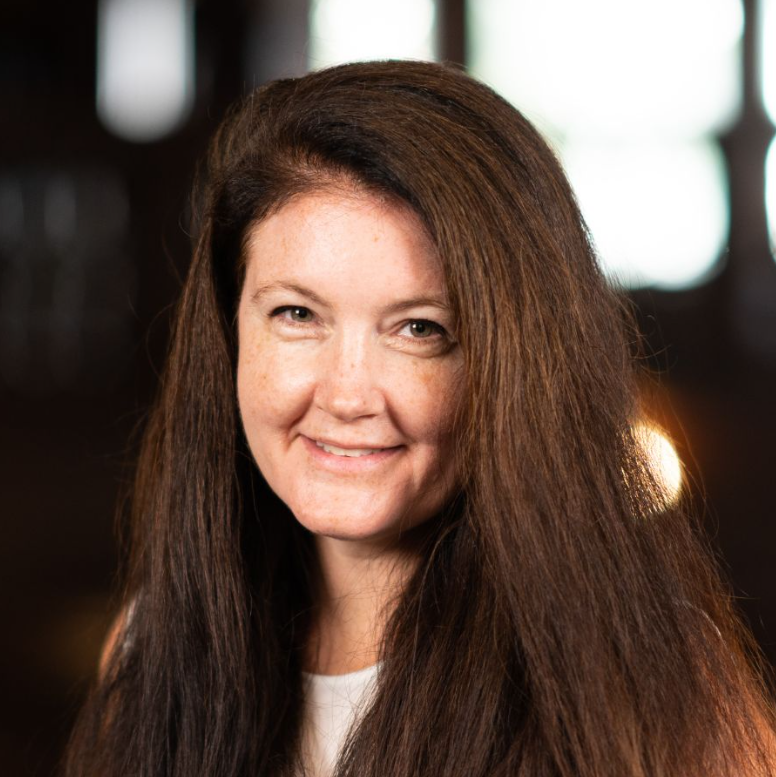
Dr. McClintock is an IH Section Member and Associate Professor in the Department of Public Health, College of Health Sciences at Arcadia University. She earned her Master of Science in Public Health from the Department of Global Health and Population at the Harvard School of Public Health. Dr. McClintock received her PhD in Epidemiology from the University of Pennsylvania with a focus on health behavior and promotion. Her research broadly focuses on the prevention, treatment, and management of chronic disease and disability globally. Recent research aims to understand and reduce the burden of intimate partner violence in Sub-Saharan Africa. Prior to completing her doctorate she served as a Program Officer at the United States Committee for Refugees and Immigrants and a Senior Project Manager in the Center for Clinical Epidemiology and Biostatistics, University of Pennsylvania. At the University of Pennsylvania she led several research initiatives that involved improving patient compliance and access to quality healthcare services including the Spectrum of Depression in Later Life Study and Integrating Management for Depression and Type 2 Diabetes Mellitus Study.
 IH CONNECT
Great posting, thank you. Let’s get into the nuances. “Medicare for All” is an easy policy move in the U.S., because it’s simple and familiar. But the Medicare Advantage program is attempting to privatize Medicare, a big mistake.