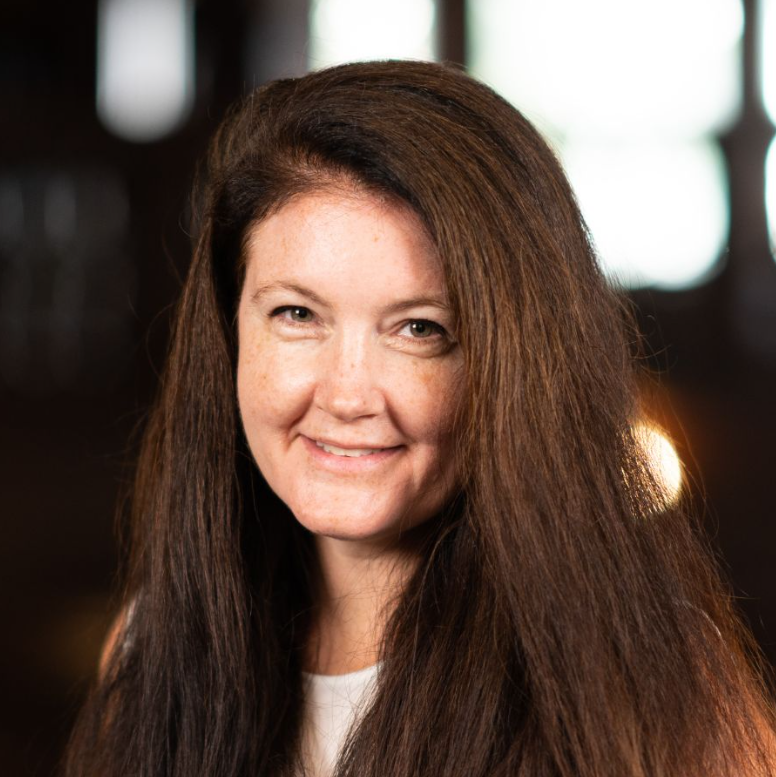
By Martha Smee MPH (c) MMS (c) and Dr. Heather F. McClintock PhD MSPH MSW
In the 21st century, the occurrence of pandemics has been increasing in frequency. A variety of factors explain this phenomenon, including increased travel and urbanization, a depleted health workforce, and climate change causing increased human-animal contact. Zoonotic diseases, which result from the passage of germs from animals to humans, account for 75% of emerging infectious diseases. The 2009 Swine Flu is just one earlier example of the impact of zoonotic disease. Other pandemics from the past two decades include the SARS-CoV-1 pandemic of the early 2000s and the SARS-CoV-2 pandemic which began in late 2019. SARS-CoV-2, which may be better known as COVID-19, is the most widespread and deadly pandemic in recent history. Most people are probably sick of hearing, “We’re living in unprecedented times!” But it’s true. No other event has so clearly exposed the vulnerabilities of our modern world. No other event has touched billions of lives, rattled economies worldwide, and changed the way that we think and feel. In the lens of public health, it is worthwhile to take a look at how COVID-19 impacted the healthcare systems landscape, and what role universal health coverage (UHC) could play in our preparation for future pandemics and our “new normal” in the context of COVID-19. COVID-19 may have been “unprecedented,” but when (not if) the next pandemic occurs we must not let history repeat itself.
Health systems across the world felt the impact of COVID-19. The World Health Organization (WHO) reports that 92% of countries reported disruptions in essential services. Included are 25 million children who were deprived of routine immunization. Diversion of supplies and manpower to COVID-related illness left few resources to administer essential services, treat routine illnesses, and respond to emergencies. Not all countries were equally affected. High-income countries reported less service disruptions compared to low-income countries. In addition, countries with greater UHC were less impacted. When controlling for covariates, one study found that countries with high UHC experienced significantly less decline in childhood immunization coverage compared to countries with low UHC. These results show the potential of UHC to act as a protective factor against external shocks to a health system, such as a pandemic. Further, economic inequality plays a role in the resiliency against COVID-19. One study showed that poor and more vulnerable populations had a harder time bouncing back, finding that the richest and poorest quintiles globally lost about the same amount of income in 2020, but only the richest quintile recovered the majority of their losses in 2021. Inequalities exacerbate the impacts of COVID-19 worldwide.
As great as it would be, UHC is not a cure-all. A better future can be built through coordination of various policies and efforts to promote population health and equity. UHC is one key component, but on top of it we need policies which invest in social services, promote climate resiliency, and increase global health security. All of these pieces work together. Investing in social services such as paid sick leave, supplemental nutrition programs, and affordable housing contributes to tackling the social determinants of health and root causes of inequity. Climate policy can address the threat that climate change is posing to our existing systems. Global health security programs and initiatives can promote the proactive response to acute threats to public health. All of these components complement one another and work in harmony to create the foundation to best promote health and well-being.
Martha Smee MPH (c) MMS (c)
Martha Smee is a current student in Arcadia University’s Dual Master of Public Health/Master of Medical Science in Physician Assistant Program. As an MPH student, her capstone research explored the relationship between state Medicaid policy and mental health outcomes. She completed an internship at the Free Library of Philadelphia’s Culinary Literacy Center where she assisted with curriculum development and program facilitation to promote literacy through food, cooking, and community-building. Her public health interests include health policy, access to mental health services, and environmental health. After graduating, she plans to continue practicing evidence-based public health as a primary care provider in the Philadelphia area.
Dr. Heather F. McClintock PhD MSPH MSW
Dr. McClintock is an IH Section Member and Associate Professor in the Department of Public Health, College of Health Sciences at Arcadia University. She earned her Master of Science in Public Health from the Department of Global Health and Population at the Harvard School of Public Health. Dr. McClintock received her PhD in Epidemiology from the University of Pennsylvania with a focus on health behavior and promotion. Her research broadly focuses on the prevention, treatment, and management of chronic disease and disability globally. Recent research aims to understand and reduce the burden of intimate partner violence in Sub-Saharan Africa. Prior to completing her doctorate she served as a Program Officer at the United States Committee for Refugees and Immigrants and a Senior Project Manager in the Center for Clinical Epidemiology and Biostatistics, University of Pennsylvania. At the University of Pennsylvania she led several research initiatives that involved improving patient compliance and access to quality healthcare services including the Spectrum of Depression in Later Life Study and Integrating Management for Depression and Type 2 Diabetes Mellitus Study.
By Martha Smee MPH (c) MMS (c) and Dr. Heather F. McClintock PhD MSPH MSW
The U.S. healthcare system is one of the biggest and most complicated healthcare systems in the world. Insurance and healthcare provision are provided through a mix of public and private, for-profit and nonprofit initiatives and organizations. Compared to other high-income countries, we spend the most amount of money on health care yet have the worst outcomes. At face value, that doesn’t add up. In a 2021 report, The Commonwealth Fund (CWF) took a closer look and found four factors that differentiate the U.S. health system from those of comparable countries. First, and perhaps most obviously, the U.S. lacks UHC. As a result, many Americans, most of which are low-income people of color, go uninsured. A host of poor outcomes are the result. Uninsured people are more likely to delay or go without care, be hospitalized for an avoidable reason, have higher rates of death when hospitalized, and financially suffer due to medical bills. Poor and marginalized individuals are more likely to suffer from chronic disease and less likely to be able to afford health insurance or treatment. Lack of UHC contributes to existing health disparities, and the cycle of poverty goes on. Second, CWF identified that the U.S. lags behind other industrialized nations in primary care. Although American primary care providers (PCP) are more likely to address social needs of patients, continuity of care is lacking. Americans are less likely to have a regular place to go for care or have a lasting relationship with a PCP. As a student [Martha Smee (MS)] entering the healthcare field as a future Physician Assistant, I see this deficiency in action, as many of my peers are more interested in entering specialties compared to primary care. Specialties are simply where the money is at. Third, the U.S. has a greater amount of administrative red tape compared to other countries. The American healthcare system is uniquely wasteful in terms of administrative expense, which mostly has to do with our free-market approach to healthcare and efforts to manage utilization (e.g., impeditive prior authorization). Fourth, the U.S. does not invest enough in social services. This is a problem, considering that social determinants of health, like housing, education, income, and insurance status, account for up to 40% of health outcomes. Even if not explicitly tied to health, social services play a role in disease prevention. For example, residents of states which had more supportive social policies (e.g., Medicaid, unemployment support, eviction moratoriums, etc.) had less adverse mental health outcomes during the COVID-19 pandemic.
My [Martha Smee] interest in population social services led me to complete my MPH capstone research on the association between state Medicaid policies’ support of mental health and mental health outcomes. I conducted a policy analysis using Medicaid state plans and hospitalization rate data from the Healthcare Cost and Utilization Project. After combing through eight states’ Medicaid plans, I ranked them by their promotion of mental health services and evaluated them in relation to each state’s depression hospitalization rates. The main finding was that states with better mental health outcomes tended to have Medicaid policies that more strongly promoted accessibility of outpatient mental health services compared to states with worse mental health outcomes. Investment in social services increases the efficiency of our health system and the health of the American people.
One simple sentence that I [Martha Smee] heard during my MPH studies has stuck with me since: “Health is not an individual decision.” If health were an individual decision, I would imagine most of us would be eating fresh fruits and vegetables every meal, getting enough exercise and sleep, and visiting a doctor regularly. In reality, health results from a collection of circumstances, some of which are within an individual’s control, but most of which are not. UHC has the potential to impact many of the underlying circumstances which contribute to individual and population health. UHC is the key to a more sustainable world which values health equity, and above all, human life.
June 23, 2023: The Health Policy Institute of Ohio has released an action guide that highlights policy options for improving employment, one of the social drivers of infant mortality in Ohio. HPIO recently produced the Social Drivers of Infant Mortality: Recommendations for Action and Accountability in Ohio report as an update to the 2017 A New Approach to Reduce Infant Mortality and Achieve Equity report. The action guide takes a closer look at the employment recommendations in the Action and Accountability report and provides state and local health stakeholders with additional information and tools to support next steps. “Employment that pays a self-sustaining wage and offers health insurance and other benefits can pave the way for good health and positive birth outcomes,” according to the guide. The action guide highlights policies prioritized by HPIO’s Social Drivers of Infant Mortality Advisory Group. For example, one policy recommendation in the brief is for state and local policymakers to expand paid family leave benefits to 12 weeks or more and eliminate or mitigate the impact of waiting periods to access paid leave for public employees. Sixteen states and the District of Columbia have paid family leave laws, as illustrated above. HPIO recently released similar action guides on housing, education and transportation. In the coming weeks, HPIO plans to release another guide on eliminating racism. The guide and additional tools posted on HPIO’s website can be used to prioritize, advocate for and implement the recommendations.
May 16, 2023: State, local, territorial and tribal jurisdictions may apply through June 30 for grants of up to $500,000 each for three years to implement interventions to address social determinants of health across four domains: the built environment, community-clinical linkages, food and nutrition security, and social connectedness. The Centers for Disease Control and Prevention expects to award up to five grants focused on implementing established Social Determinants of Health Accelerator Plans. AHA supported legislation that created the accelerator plans.
January 13, 2023: CLEVELAND — If they do their work well — they’re the ones we don’t see. We’re talking about public health employees. “Sanitarians, environmental health specialists out there enforcing restaurant safety, helping with any kind of health code violations, people who are in our factories making sure the air quality is safe,” said David Margolius, director of the Cleveland Department of Public Health. Not to mention nurses who do vaccines, those who maintain safety in barbershops and tattoo parlors, help with addiction services and lead in housing. Now a $1.5 million grant from the U.S. Department of Health and Human Services is now giving those essential workers a leg up. A partnership between the Cleveland Department of Public Health and Case Western Reserve University means the award will help pay tuition for free classes, all the way up to a free masters degree in public health for more than 50 practitioners.
May 18, 2023: Three in five Americans now believe the COVID-19 pandemic is over, according to the latest Axios/Ipsos American Health Index. The survey, which was fielded in the days immediately after the public health emergency ended on May 11, shows that fewer Americans are masking in public compared to earlier this year and very few report taking at-home tests or contracting COVID recently. As COVID recedes from Americans’ collective consciousness, more Americans now believe access to guns is the #1 threat to American public health at the moment and many are wrestling with their attitudes toward gender identity and whether it is okay for adults and teens to decide how they identify. Separately, Americans are broadly opposed to reductions in Medicare or Social Security spending to lower the federal deficit, with significant opposition from both sides of the aisle.
June 24, 2023: Smoking is recognised as a critical public health priority due to its enormous health and economic consequences. Constant monitoring of the effectiveness of tobacco control programs calls for timely population-based data. This study reports the national and sub-national patterns in tobacco consumption among Iranian adults based on the results from the STEPwise approach to chronic disease risk factor surveillance (STEPS) survey 2021. This study was performed through an analysis of the results of the STEPS survey 2021 which had been conducted as a nationally representative cross-sectional study. Participants included Iranian adults aged ≥ 18 years in all provinces of Iran, who were selected via multistage cluster sampling method. Data were analyzed via survey analysis while considering population weights. The total number of participants was 27,874, including 15,395 (55.23%) women and 12,479 (44.77%) men. The all-ages prevalence of current tobacco smoking was 14.01% overall, 4.44% among women, and 25.88% among men. The all-ages prevalence of current cigarette smoking was 9.33% overall, 0.77% among women, and 19.95% among men. The all-ages prevalence of current hookah smoking was 4.5% overall, 3.64% among women, and 5.56% among men. The mean (SD) number of cigarettes smoked per day was 12.41 (10.27) overall, 7.65 (8.09) among women, and 12.64 (10.31) among men. The mean (SD) monthly times of hookah use was 0.42 (7.87) overall, 2.86 (23.46) among women, and 0.3 (6.2) among men. The national all-ages prevalence of second-hand smoking at home was 24.64% overall, 27.38% among women, and 20.26% among men. The national all-ages prevalence of second-hand smoking at work was 19.49% overall, 17.33% among women, and 22.94% among men. The tobacco consumption in Iran remains alarmingly high, indicating the current tobacco control policy implementation level is ineffective and insufficient. This calls for adopting, implementing, and enforcing comprehensive packages of evidence-based tobacco control policies.
June 24, 2023: Ongoing diarrheal disease surveillance throughout Bangladesh over the last decade has revealed seasonal localised cholera outbreaks in Cox’s Bazar, where both Bangladeshi Nationals and Forcibly Displaced Myanmar Nationals (FDMNs) reside in densely populated settlements. FDMNs were recently targeted for the largest cholera vaccination campaign in decades. We aimed to infer the epidemic risk of circulating Vibrio cholerae strains by determining if isolates linked to the ongoing global cholera pandemic (“7PET” lineage) were responsible for outbreaks in Cox’s Bazar. We found two sublineages of 7PET in this setting during the study period; one with global distribution, and a second lineage restricted to Asia and the Middle East. These subclades were associated with different disease patterns that could be partially explained by genomic differences. Here we show that as the pandemic V. cholerae lineage circulates in this vulnerable population, without a vaccine intervention, the risk of an epidemic was very high.
June 23, 2023: KFYR-TV reported that a storm Wednesday night wrecked a manufactured home near Selfridge in south-central North Dakota. Brothers Arlin and Will Lund told the station about 3 inches of rain fell in 20 minutes as their home was destroyed by straight-line winds. The brothers were thrown to opposite sides of the house and their barn was also destroyed.
May 5, 2023: Covid is no longer a global public health emergency, the World Health Organization said Friday. The WHO issued the declaration more than three years ago, on Jan. 30, 2020. WHO Director-General Tedros Adhanom Ghebreyesus said he made the decision following a recommendation from the WHO’s emergency committee, which met on Thursday for the 15th time. “I have accepted that advice,” Tedros said. “It is therefore with great hope that I declare Covid-19 over as a global health emergency.” The WHO’s designation of a “public health emergency of international concern” is reserved for the most serious disease outbreaks. The organization has assigned the label to seven outbreaks since 2007: monkeypox, Covid, Zika, H1N1 flu, polio and Ebola (which has twice been designated an emergency). Globally, Covid deaths have fallen steadily over the last three months, from more than 41,000 weekly deaths at the start of January to around 3,500 on April 24, according to WHO data.
June 22, 2023: The 510(k)-cleared BabySat device is designed for physician-supervised monitoring of babies that healthcare providers determine could benefit from additional oversight at home. Once the wireless sock is placed on the baby’s foot, the device captures pulse rate and oxygen saturation data and sends the information to a mobile app. Owlet’s earlier device, Smart Sock, had similar features but BabySat “has adjusted reading levels,” the company said. Smart Sock is now only available outside the U.S. and Canada and Owlet does not plan to sell the older device in those North American markets. Securing 510(k) clearance for BabySat marks a step in Owlet’s attempt to recover from its regulatory problems even as it continues to deal with the fallout. A class action complaint is advancing through the U.S. legal system and Owlet’s financial position still reflects its recent difficulties.
June 22, 2023: France has emerged as a hotspot for action against Philips. Last year, the French device regulator ordered Philips to repair or replace all of its recalled respiratory devices by the end of 2022. When Philips missed the deadline, the agency applied more pressure to the company and referred the case to a prosecutor who could bring criminal proceedings. In parallel, lawyers behind a collective legal action platform have been preparing cases against Philips. Details of the legal activity became public last week, when attorney Christophe Lèguevaques began civil proceedings and filed a criminal complaint in quick succession. In between the two filings, a toxicologist commissioned by the legal platform delivered findings from an analysis of data on Philips’ devices. The toxicologist said “continuing to expose individuals who believe they are receiving treatment, without their awareness, to [volatile organic compounds] and foam particles, known for their toxicological risks, is tantamount to endangering others.”
March 7, 2023: The blaze broke out last Thursday, according to Kerala’s fire department. The cause has not been established, but landfill fires can be triggered by combustible gases from disintegrating garbage. Images and video released by officials showed workers racing to extinguish the billowing flames that sent thick plumes of toxic smoke rising high into the sky. While the fire has been largely put out, a thick cloud of smoke and methane gas continues to cover the area, reducing visibility and the city’s air quality, while emitting a lingering, pungent odor. Some firefighters had fainted from the fumes, the fire department said. Kerala’s top court said it will take up the case on Tuesday. India creates more methane from landfill sites than any other country, according to GHGSat, which monitors emissions via satellites. Methane is the second most abundant greenhouse gas after carbon dioxide – but it is a more potent contributor to the climate crisis because it traps more heat.
March 7, 2023: The Biden administration is expected to make a decision soon on whether to approve the controversial Willow Project in Alaska. ConocoPhillips’ massive Willow oil drilling project on Alaska’s North Slope has been moving through the administration’s approval process for months, galvanizing a sudden uprising of online activism against it, including more than one million letters written to the White House in protest of the project, and a Change.org petition with more than 2.9 million signatures. Here’s what to know about the Willow Project.
June 19, 2023: “That is an urgent call to action,” said Jay Bhatt, DO, MPH, the institute’s director. “It’s not just the right thing to do, there’s a business imperative.” The Deloitte Health Equity Institute report says health inequities account for roughly $42 billion in lost productivity annually and add about $15.6 billion in unnecessary spending associated with diabetes and $2.4 billion treating asthma. These costs are the result of delayed care, access barriers, missed diagnoses and limited access to preventive services and scientific advances. “Health equity is everyone’s business,” Dr. Bhatt told attendees at the Executives’ Club of Chicago’s inaugural Healthcare Summit, hosted by Deloitte. “As a company, if you have employees, you’re a health company because of the support that your employees need when it comes to their health and well-being,” he added.
June 12, 2023: Throughout the pandemic, the AMA Code of Medical Ethics provided all-important ethical guidance on how to provide equitable care, including through Principle IX of the AMA Principles of Medical Ethics, which enjoins physicians to “support access to care for all people.” Nevertheless, “additional guidance is needed to explicitly address the ethical implications of social forces that drive how and to whom health care is provided,” according to an AMA Council on Ethical and Judicial Affairs report whose recommendations were adopted at the 2023 AMA Annual Meeting. “To make meaningful progress in achieving equitable care, physicians must recognize how the pathologies of social systems impact their patients’ lives,” said AMA Trustee David H. Aizuss, MD. “The commitment to serve patients in need means that we have an obligation to examine prevailing attitudes, habits, policies and practices that determine what care is available to who and to take steps to remove or re-engineer obstacles that undermine the ability to ensure equitable care for all.”
June 24, 2023: It took 12 years for Allison Tuckman to get an accurate diagnosis of polycystic ovary syndrome, then another 10 to find a treatment to help keep her most severe symptoms in check. Now that she’s finally found a drug that works, the 44-year-old from Manalapan, New Jersey, says there’s no going back. “I’ll be taking it ‘till the end of time,” she said. That medication happens to be semaglutide, the same drug in high demand largely for its effects on weight loss. It’s approved under the name Ozempic for Type 2 diabetes and under the name Wegovy for weight loss. Semaglutide falls into a class of drugs called GLP-1 agonists, which also includes the diabetes drugs Mounjaro and Victoza, among others. Since the drugs flooded the scene, there have been reports of other potential uses for them, to treat conditions ranging from PCOS to Alzheimer’s, Parkinson’s, addiction, alcohol use disorder, liver disease and possibly cancer.
June 23, 2023: WASHINGTON — President Joe Biden on Friday will sign an executive order designed to protect and expand access to contraception after a Supreme Court ruling last year overturning the constitutional right to abortion raised fears that birth control could also face restrictions. Biden senior adviser Jen Klein told reporters that the order will increase ways for women to access contraception and lower out-of-pocket costs. Klein said the order directs federal departments to consider requiring private insurers to offer expanded contraception options under the Affordable Care Act such as by covering more than one product and streamlining the process for obtaining care.
June 21, 2023: Forced displacement is a complex development challenge that requires host countries to have access to robust, reliable and timely data in order to be able to respond effectively. Although forced displacement disproportionately affects low- and middle-income countries, where nearly 75 percent of the world’s refugees live, the bulk of relevant data currently comes from high-income countries. Building on recent World Bank efforts to collect representative data on forcibly displaced peoples (FDPs) and their hosts in several countries, the Bank has invested in a harmonization effort of representative surveys covering 10 countries across five regions that hosted displaced people in the period 2015-2020. The findings from the harmonized surveys are summarized in three Policy Briefs.
The World Bank Group’s goals are to end extreme poverty and promote shared prosperity. This mission underpins our analytical, operational, and convening work in about 140 client countries. Dive into our country poverty assessments to learn more about countries’ journeys to eradicate extreme poverty and reduce inequality.
April 2, 2023: Kaiser Foundation Hospitals’ new nonprofit organization Risant Health is acquiring Geisinger Health as the first health system to join the organization. Upon regulatory approval, Geisinger will become part of the new organization through acquisition, according to Kaiser. The move was announced Wednesday by both the Kaiser Foundation Hospitals and Geisinger Health. The definitive agreement will make Geisinger the first health system to join Risant Health. Geisinger will maintain its name and mission and will continue to work with other health plans, employed physicians and independent providers. The Pennsylvania-based health system gains Risant Health’s value-based platform for care practices and capabilities in areas such as care model design, pharmacy, consumer digital engagement, health plan product development and purchasing, Kaiser said in the release. As the first health system to become part of Risant Health, Geisinger will participate in developing the organization’s strategy and operational model.
February 27, 2023: More than half of U.S. hospitals are nonprofit, meaning they receive generous tax exemptions in exchange for benefiting their communities. Many aren’t fulfilling that mission. Some nonprofits have billed patients who should have qualified for charity care, racking up billions of dollars in charges. Some have aggressively collected on medical debt through legal action or reports to credit agencies. Others have exploited poor communities by maintaining a token presence there to qualify for federal subsidies that benefit the needy, only to expand in rich communities. At least one institution has explicitly set up care pathways that prioritize the elite at the expense of the general public.
This is the first part of a IH Blog series on Universal Health Coverage.
Blog I- An Overview Of Universal Health Coverage
By Martha Smee MPH (c) MMS (c) and Dr. Heather F. McClintock PhD MSPH MSW
You can learn a lot about a country and its leaders from how much they value their population’s health, particularly the health of the most vulnerable citizens. Health is the basis upon which social well-being, economic development, and environmental prosperity are sustainably built. Universal health coverage (UHC) is one way that governments can show that they value their citizens’ health, providing all individuals the opportunity to thrive, both in physical and mental health and all other areas of life. Globally, there has been growing interest around the idea of UHC, especially since the turn of the 21st century. In 2000, the United Nations (UN) released their Millennium Development Goals (MDGs). Several MDGs were health-oriented, emphasizing the importance of maternal and child health and controlling communicable diseases like HIV/AIDS and malaria. The UN made explicit reference to the need for UHC in their Sustainable Development Goals (SDGs) that were released in 2015. UN SDG 3.8 states: “Achieve universal health coverage, including financial risk protection, access to quality essential health-care services and access to safe, effective, quality and affordable essential medicines and vaccines for all.” The aim is to achieve this by 2030.
Let’s back up for a moment. What is UHC? There are many definitions. This one from the World Health Organization (WHO) succinctly encompasses the central concepts: “All people having access to the full range of quality health services they need, when and where they need them, without financial hardship.” Two main tenets stand out in this definition. First is full accessibility to all peoples. This includes every stage of disease, including prevention, and every part of the body, including mental health. Almost 1 billion people suffer from mental illness, and many do not receive needed care. Among those living with mental illness in low-income countries, 75% do not receive treatment. In countries coping with conflict and violence, the prevalence of mental illness is even higher. We can no longer ignore the impact that mental health conditions have on all aspects of society. The second important tenet is no financial hardship. Approximately 90 million people across the world go into poverty due to medical expenses every year. That is simply not acceptable. UHC has expanded since SDG 3.8’s introduction, with the greatest strides being made on the African continent. However, 30% of the world still cannot access essential health services.
There are some key components to consider in moving forward on the path towards achieving UHC. First, reaching this goal will require a multisectoral approach. Population health is essential to the success of all sectors. Without health, businesses lose human resources and customers; teachers cannot teach and students cannot learn; farmers struggle to feed the world. With a goal as lofty as UHC, we need all the buy-in we can get. We must tap into the personal interests of different sectors, making them realize their role as a stakeholder in population health including community grassroots activists and partisan governmental leaders. This means engaging key stakeholders across the continuum of health prevention to treatment and incentivizing involvement in ways that can elicit much needed changes. Using this approach could be especially impactful in developing countries with young populations and huge potential for economic growth. Second, primary care and public health are key. Primary care, and to an even greater extent, public health bring the most value to a health system. As famous Philadelphian Benjamin Franklin once said, “An ounce of prevention is worth a pound of cure.” Chronic illness costs the U.S. over $3.5 trillion every year. Compared to being reactive, placing an emphasis on primary and secondary prevention at all social-ecological levels saves money and saves lives. More and more low- and middle-income countries are moving through an epidemiological transition and feeling the impact of chronic disease on their populations, making it clear that the principles of prevention have a place in countries across the globe. Third, start at home. UHC is not going to look the same in every country or even every community. Countries must use the strengths of existing systems and improve upon them, all while listening to what citizens want. In the U.S., a majority of citizens believe that the government should be responsible for providing UHC. The U.S. may avoid undertaking UHC policy development, but individual states have taken initiative. California is currently on track to become the first state to offer UHC to all low-income residents, even if they are undocumented. Overall, there is no need to reinvent the wheel. Countries of all incomes, cultures, and circumstances have achieved UHC and can be a blueprint; Turkey, Iran, and Mexico are great examples for low- and middle-income countries that have made notable strides towards UNC.
Martha Smee is a current student in Arcadia University’s Dual Master of Public Health/Master of Medical Science in Physician Assistant Program. As an MPH student, her capstone research explored the relationship between state Medicaid policy and mental health outcomes. She completed an internship at the Free Library of Philadelphia’s Culinary Literacy Center where she assisted with curriculum development and program facilitation to promote literacy through food, cooking, and community-building. Her public health interests include health policy, access to mental health services, and environmental health. After graduating, she plans to continue practicing evidence-based public health as a primary care provider in the Philadelphia area.
Dr. Heather F. McClintock PhD MSPH MSW
Dr. McClintock is an IH Section Member and Associate Professor in the Department of Public Health, College of Health Sciences at Arcadia University. She earned her Master of Science in Public Health from the Department of Global Health and Population at the Harvard School of Public Health. Dr. McClintock received her PhD in Epidemiology from the University of Pennsylvania with a focus on health behavior and promotion. Her research broadly focuses on the prevention, treatment, and management of chronic disease and disability globally. Recent research aims to understand and reduce the burden of intimate partner violence in Sub-Saharan Africa. Prior to completing her doctorate she served as a Program Officer at the United States Committee for Refugees and Immigrants and a Senior Project Manager in the Center for Clinical Epidemiology and Biostatistics, University of Pennsylvania. At the University of Pennsylvania she led several research initiatives that involved improving patient compliance and access to quality healthcare services including the Spectrum of Depression in Later Life Study and Integrating Management for Depression and Type 2 Diabetes Mellitus Study.
April 28, 2023: The Health Policy Institute of Ohio has released the latest edition of its biennial Health Value Dashboard, which found that Ohio ranks 44 on heath value compared to other states and D.C. (as displayed in the graphic above).That means that Ohioans are living less healthy lives and spending more on health care than people in most other states.The Dashboard is designed for policymakers and other public- and private-sector leaders to examine Ohio’s performance relative to other states, track change over time and identify and explore health disparities and inequities in Ohio. The report also highlights evidence-informed strategies that can be implemented to improve Ohio’s performance.With more than 100 data metrics, the report can be a valuable tool as Ohio’s leaders continue to develop the state’s biennial budget over the next two months.In the fifth edition of the Dashboard, HPIO identified three specific areas of strengths on which Ohio can build to create opportunities for improved health value in the state.
April 28, 2023: The Biden administration on Thursday rolled out proposals to set national standards for care in Medicaid and children’s health care plans, amid upheaval for millions of Americans’ coverage in both programs (Source: “Biden officials propose slate of Medicaid transparency changes,” Stat News, April 27). A pair of draft rules released by federal health officials Thursday would require Medicaid plans to book enrollees for appointments within two weeks. The rules would also require states to track and report the quality of care patients receive, to share provider payment rates and to oversee these changes through “secret shopper” surveys. However, while the agency proposed a slew of reporting requirements, the changes did not come with clear penalties or incentives for improving wait time and care. The draft plans come as states reassess Medicaid and Children’s Health Insurance Program enrollment in the wake of the Covid-19 emergency. Congress allowed states to begin removing people from Medicaid rolls this month, ending a pandemic freeze that saw Medicaid coverage balloon with more than 20 million new enrollees. An estimated 18 million people could lose coverage in the next year, according to a KFF survey of state Medicaid programs.
MAy 29, 2023: The Seventy-sixth World Health Assembly is being held in Geneva, Switzerland, on 21–30 May 2023. The theme of this year’s Health Assembly is: WHO at 75: Saving lives, driving health for all.Proceedings will be webcast live from this web page. Simultaneous interpretation is available in Arabic, Chinese, English, French, Russian and Spanish.
Co-Hosted by the Department of Bioethics, School of Medicine, Case Western Reserve University and the Program in Medical Humanities, Cleveland Clinic Lerner College of Medicine. Registration is now open for the 2023 Health Humanities Consortium Annual Conference! The conference will be held in Cleveland, Ohio at the Health Education Campus from Thursday March 16th through Sunday March 19th, co-hosted by Case Western Reserve University Department of Bioethics and the Program in Medical Humanities at Cleveland Clinic Lerner College of Medicine. This year’s conference theme is “Mobilizing Selves, Transforming Structures.” Please note that all decisions on submissions to the conference were emailed in early December. The conference website (https://hhc2023.vfairs.com/) includes the preliminary agenda for the conference and some basic information about the local venue (more will follow). Participants may attend in-person or virtually.
February 6, 2023: Cancer figures provide stark evidence of the gap between the health of Aboriginal and Torres Strait Islander people and non-Indigenous people in Australia. The difference is confronting – and it’s increasing over time. Cancer is the leading broad cause of death for Aboriginal and Torres Strait Islander people, accounting for 3,612 deaths (23% of deaths). Indigenous Australians are 14% more likely to be diagnosed with cancer. They are 20% less likely to survive at least five years beyond diagnosis. While the likelihood of dying from cancer in the general population declined by 10% from 2010 to 2019, it increased by 12% for Aboriginal and Torres Strait Islander people. These figures highlight major challenges for the federal government’s stated aim to close the life expectancy gap in a generation. But data will also be critical to meeting this goal.
Health data can include information about health-care services, health status and behaviours, medications and genetic data, in addition to demographic information like age, education and neighbourhood. These facts and statistics are valuable because they offer insights and information about population health and well-being. However, they can also be sensitive, and there are legitimate public concerns about how these data are used, and by whom. The term “social licence” describes uses of health data that have public support. Studies performed in Canada, the United Kingdom and internationally have all found public support and social licence for uses of health data that produce public benefits. However, this support is conditional. Public concerns related to privacy, commercial motives, equity and fairness must be addressed.
May 29, 2023: This study aimed to investigate the relationship between serum ferritin level and prognosis in sepsis. It also explored the potential prognostic value of serum ferritin for predicting outcomes in sepsis based on a large public database. Sepsis patients in MIMIC-IV database were included. Different models including crude model (adjusted for none), model I (adjusted for age and gender) and model II (adjusted for all potential confounders) were performed. Smooth fitting curves were constructed for exploring the relationships between serum ferritin and mortalities of 28-day, 90-day, 180-day and 1-year. Receiver operator characteristic (ROC) curve analysis was utilized for assessing the predictive value of serum ferritin. 1947 sepsis patients were included. The mortalities of 28-day, 90-day, 180-day and 1-year were 20.18% (n = 393), 28.35% (n = 552), 30.30% (n = 590) and 31.54% (n = 614), respectively. In Model II (adjusted for all potential confounders), for every 1000 ng/ml increment in serum ferritin, the values of OR in mortalities of in 28-day, 90-day, 180-day and 1-year were 1.13 (95% CI 1.07–1.19, P < 0.0001), 1.15 (95% CI 1.09–1.21, P < 0.0001), 1.16 (95% CI 1.10–1.22, P < 0.0001) and 1.17 (95% CI 1.10–1.23, P < 0.0001), respectively. The relationships between serum ferritin level and outcomes were non-linear. The areas under the ROC curve (AUC) of ferritin for predicting mortalities of 28-day, 90-day, 180-day and 1-year were 0.597 (95% CI 0.563–0.629), 0.593 (95% CI 0.564–0.621), 0.595 (95% CI 0.567–0.623) and 0.592 (95% CI 0.564–0.620), respectively. The non-linear relationships between serum ferritin and clinical outcomes in sepsis were found. Serum ferritin had a predictive value for short-term and long-term outcomes in sepsis.
May 29, 2023: This study aims to quantify whether age and sex groups in Austrian regions are equally affected by the rise of type 2 diabetes. Population-wide medical claims data was obtained for citizens in Austria aged above 50 year, who received antihyperglycemic treatments or underwent HbA1c monitoring between 2012 and 2017. Diabetes incidence was measured using an epidemiological diabetes progression model accounting for patients who discontinued antihyperglycemic therapy; the erratic group. Out of 746,184 patients, 268,680 (140,960 females) discontinued their treatment and/or monitoring for at least one year. Without adjusting for such erratic patients, incidence rates increase from 2013 to 2017 (females: from 0·5% to 1·1%, males: 0·5% to 1·2%), whereas they decrease in all groups after adjustments (females: − 0·3% to − 0·5%, males: − 0·4% to − 0·5%). Higher mortality was observed in the erratic group compared to patients on continued antihyperglycemic therapy (mean difference 12% and 14% for females and males, respectively). In summary, incidence strongly depends on age, sex and place of residency. One out of three patients with diabetes in Austria discontinued antihyperglycemic treatment or glycemic monitoring for at least one year. This newly identified subgroup raises concern regarding adherence and continuous monitoring of diabetes care and demands further evaluation.
May 29, 2023: MILAN (AP) — A body was retrieved early Monday in a northern Italian lake by police divers, raising to four the final death toll in the capsizing of a tourist boat a day earlier during a sudden, violent storm that included a whirlwind. Two bodies had been recovered by firefighter divers on Sunday evening, while the fourth victim had died shortly after being rescued following the capsizing of the houseboat, which the owners used as a tour vessel to take visitors around Lake Maggiore, police said.
May 29, 2023: FORT MYERS BEACH, Fla. (AP) — Eight months ago, chef Michael Cellura had a restaurant job and had just moved into a fancy new camper home on Fort Myers Beach. Now, after Hurricane Ian swept all that away, he lives in his older Infiniti sedan with a 15-year-old long-haired chihuahua named Ginger. Like hundreds of others, Cellura was left homeless after the Category 5 hurricane blasted the barrier island last September with ferocious winds and storm surge as high as 15 feet (4 meters). Like many, he’s struggled to navigate insurance payouts, understand federal and state assistance bureaucracy and simply find a place to shower.
May 25, 2023: AcuPebble Ox100 builds on an older Acurable device, AcuPebble SA100, that received 510(k) clearance in the summer of 2021. Like the older device, AcuPebble Ox100 features a sensor that the patient sticks to their neck to record respiratory and heart sounds. The acoustic signals are processed and analyzed by algorithms to detect sleep apnea. The new device combines the neck sensor with an oximetry sensor that the patient wears on their finger to record blood oxygen levels. While the AcuPebble SA100 clearance said the device is “not intended as a substitute for full polysomnography,” the FDA notification for the new product lacks that caveat. Esther Rodriguez-Villegas, inventor of the AcuPebble technology and founder and co-CEO of Acurable, said in a statement that the company has “already had a lot of interest from U.S. clinicians, who believe it can be transformational [for patients].
May 25, 2023: Medtronic, with a warning letter recently lifted from its U.S. diabetes business, aims to bring new products to market. The company plans to integrate its new insulin dosing algorithm, which is used in the 780G pump, with EOFlow’s pump. “We’ve never lost faith in our technology,” Medtronic CEO Geoff Martha said on a Thursday earnings call, adding that “the patch segment is a good segment and we look forward to having multiple options.” EOFlow’s technology currently is authorized in Europe, South Korea, Indonesia and the United Arab Emirates, with a smartphone application that allows users to monitor and control the patch directly from their phone.
May 26, 2023: A United Nations fundraiser for aid operations in the drought-stricken Horn of Africa has fallen short as donor countries pledged only a third of the $7 billion sought. The UN warned against a “catastrophe” in Ethiopia, Kenya and Somalia, which it described as the epicentre of the world’s worst climate emergencies. Donor countries have pledged a total of $2.4 billion for 2023, but only $0.8 billion in new financial support was announced at this week’s event. The US will provide nearly two-thirds of the money, followed at some distance by the European Commission, Germany and the UK. The money raised at a pledging conference this week will help humanitarian agencies provide food, water, healthcare and protection services to over 30 million people across the three countries.
May 25, 2023: The United Nations climate body has cast doubt over technologies that aim to suck carbon pollution from the atmosphere, calling them “unproven” and potentially risky. In a briefing note, unnamed authors from the UN’s climate body (UNFCCC) said these removal activities are “technologically and economically unproven, especially at scale, and pose unknown environmental and social risks”. It concludes they are therefore not suitable for offsetting carbon emissions under the upcoming UN’s global scheme. The UN assessment has angered the growing industry, which is seeing billions of dollars of investment from governments and corporations.
May 24, 2023: Increasing physical activity levels, especially among people at higher risk for cardiovascular disease, can greatly improve heart health and could help reduce racial disparities in heart disease, according to a new science report. The scientific statement from the American Heart Association, published Wednesday in the journal Circulation, highlights the need to remove barriers to physical activity among groups at higher risk for cardiovascular disease, including adults who are older, female, Black, have depression, disabilities or lower socioeconomic status, or live in rural areas. Physical activity levels are often lower in these groups and increasing levels could help lower cardiovascular risks, the report found. It looked at individual and community-level physical activity and provided suggestions for how to increase it. “Helping everybody improve their heart health is important,” statement writing committee chair Gerald J. Jerome said in a news release. Jerome is a professor in the department of kinesiology at Towson University in Maryland.
May 17, 2023: Like many people of South Asian ancestry, Anjana Srivastava can offer a long list of family members who’ve had heart disease. “My grandfathers. My dad. My father-in-law. My brothers,” she recalled. “My grandmother died from it. I don’t think I even know a single family where someone doesn’t have heart disease.” That’s one reason Srivastava, who grew up in India but lives in the San Francisco Bay Area, signed up to be part of the first large, long-term U.S. study of heart health in South Asian Americans more than a decade ago. That study is MASALA – the Mediators of Atherosclerosis in South Asians Living in America. Launched in 2010, it has uncovered important details about heart health in the fast-growing group. The study is in the midst of collecting a third round of health data from its original participants even as it expands to capture a broader slice of the community. As Asian American, Native Hawaiian, and Pacific Islander Heritage Month is celebrated in May, the 100th scientific paper will be generated by the study.
May 21, 2023: WEST WENDOVER, Nev. — In April, Mark Lee Dickson arrived in this 4,500-person city that hugs the Utah-Nevada border to pitch an ordinance banning abortion. Dickson is the director of the anti-abortion group Right to Life of East Texas and founder of another organization that has spent the last few years traveling the United States trying to convince local governments to pass abortion bans. “Sixty-five cities and two counties across the United States” have passed similar restrictions, he told members of the West Wendover City Council during a mid-April meeting. The majority are in Texas, but recent successes in other states have buoyed Dickson and his group. “We’re doing this in Virginia and Illinois and Montana and other places as well,” he said.
May 18, 2023: Medical students say strict abortion laws are driving them away from pursuing careers as doctors in states where the procedure is banned. The finding comes from a survey of third- and fourth-year medical students, conducted from August through October of last year — just after the June 2022 Supreme Court Dobbs decision that overturned Roe V. Wade, which for nearly 50 years granted the right to an abortion across the U.S. The reluctance to be a medical resident — young doctors who train in hospitals or clinics after graduating medical school — in states with abortion bans could further strain health care shortages in many parts of the country. The survey results reflect the feelings of future obstetricians and gynecologists as well as doctors who plan to go into other specialties, such as surgery or internal medicine, said Ariana Traub, a third-year medical student at Emory University School of Medicine, who conducted the survey.
May 29, 2023: Hunger is set to worsen in 18 “hotspots” worldwide including Sudan, where fighting is putting people at risk of starvation, the Food and Agriculture Organization (FAO) and the World Food Programme (WFP) warned in a report published on Monday. Additionally, a likely El Niño – a naturally occurring climatic phenomenon that has a warming effect on ocean surface temperatures in the central and east Pacific – is also raising fears of climate extremes in vulnerable nations. Against ‘business-as-usual’ The report calls for urgent humanitarian action to save lives and livelihoods, and to prevent starvation and death. “Business-as-usual pathways are no longer an option in today’s risk landscape if we want to achieve global food security for all, ensuring that no one is left behind,” said Dongyu Qu, the FAO Director-General. He underlined the need for immediate interventions in the agricultural sector “to pull people from the brink of hunger, help them rebuild their lives, and provide long-term solutions to address the root causes of food insecurity.”
May 28, 2023: Fatoumatta Fatty’s commute on an old, malfunctioning wheelchair takes up to two hours during rainy season in The Gambia, but she is happy joining her co-workers at a sanitary pad production centre, where she takes pride in making products that help women overcome “period poverty” across the country. Period poverty, or the inability to afford menstrual products, is a serious issue especially in developing countries, an issue menstruating girls and women grapple with monthly and a spotlight topic on Menstrual Hygiene Day, observed annually on 28 May. “I’m happy to come work here because I meet and work with other people,” said Ms. Fatty, who operates a special machine to install snaps on each pad. “This place gives me joy because I can forget about my disability while working here.” The sturdy, long-lasting pads she produces help women like her with a mobility impairment, who have trouble going to the restroom. After working there for a year, Ms. Fatty hopes to continue. While her disabilities bring many challenges and she struggled to make ends meet for a long time, her life has become better since she joined the project.
February 27, 2023: More than half of U.S. hospitals are nonprofit, meaning they receive generous tax exemptions in exchange for benefiting their communities. Many aren’t fulfilling that mission. Some nonprofits have billed patients who should have qualified for charity care, racking up billions of dollars in charges. Some have aggressively collected on medical debt through legal action or reports to credit agencies. Others have exploited poor communities by maintaining a token presence there to qualify for federal subsidies that benefit the needy, only to expand in rich communities. At least one institution has explicitly set up care pathways that prioritize the elite at the expense of the general public. At the same time, many hospitals — both nonprofit and for-profit — have failed to meet their workers’ expectations. Throughout the pandemic, staff members had to proactively organize for key protections — tests, masks, and vaccines — while flooded with patients. Nurses nationwide have accused hospitals of placing financial interests before safety in adopting imbalanced staffing ratios. All this while many institutions fail to pay their employees a living wage.
May 29, 2023: Inova Health System in Falls Church, Virginia, has announced a $75 million gift from Dwight C. and Martha Schar in support of cardiovascular care across the northern Virginia region. The gift will expand and rename Inova Schar Heart and Vascular, providing support for efforts to grow specialty services; focus on research, outreach, prevention, and early diagnosis; recruit and retain talent; and promote health equity. In addition, it will enable the system to build multidisciplinary team-based programs in advanced heart failure and lung disease care, minimally invasive cardiac surgery and interventions, vascular medicine and surgery, women’s heart health, and wellness and prevention. Longtime supporters of Inova, the Schars have committed more than $126 million since 1993, including a $50 million gift in 2015 to establish the Inova Schar Cancer Institute. “Countless lives will be transformed by this remarkable gift as it allows Inova to push the boundaries of medical research, innovation, and patient care,” said Inova Health System president and CEO J. Stephen Jones. “We are grateful for this generous donation by Dwight and Martha Schar. It will have a lasting impact on heart health and will accelerate the trajectory of our mission to provide world-class health care to everyone, in every community we have the privilege to serve—one heartbeat at a time.