
Global Health Weekly News Round-Up

Politics and Policies:

  • The Food and Drug Administration has announced that it will begin exercising its authority given under a 2009 law, power to regulate cigarettes and other tobacco products that they believe pose public health risks.
  • In an effort intensify campaign to publicize new health insurance options and to persuade consumers, the White House is recruiting mayors, county commissioners and other local officials.

Programs:

  • A health check program has been launched in Accra, in order to reach out to the people of Ghana who are challenged with non-communicable diseases (NCDS), in an affordable and effective way.
  • The United Kingdom (UK) is starting a rotavirus vaccination program to protect the babies from infection which causes diarrhea, vomiting, abdominal pain, fever and dehydration.
  • Ben & Catherine Ivy foundation grants more that $9 million for brain cancer research.

Research:

  • To help avert 3 million AIDS deaths by 2025, the World Health Organization (WHO) through its guidelines is recommending the patients the start medicine at earlier stage of the deadly disease.
  • According to global Diabetes attitudes, wishes and needs 2 study one in five people with diabetes feel discriminated against them because of their condition. About 16% people suffering from this condition are at risk of depression.
  • According to the United Nations Program on HIV/AIDS (UNAIDS), Ghana cuts new HIV infections among children by 76% since 2009. It states that one three in ten children in need of treatment have access to it.
  • A report released by the United Nations state that Nigeria has highest number of children with HIV/AIDS virus in the world. It states that the incidence rate has not increased much but the increase in the prevalence rate has remained stagnant.
  • According to the scientists, new World Health Organization (WHO) test- based approach against malaria does not work everywhere. There must be a hard diagnosis before the disease is treated.
  • According to the research results published in the Journal of Infectious diseases, infant rotavirus vaccine is effective against this disease in Ghana. Results showed a significant response in parameters of efficacy, safety and immune impact of vaccine.
  • A study published in the journal’ Diabetologia’, ethnicity should be considered while making guidelines for physical activity. They state that south Asians need more exercise than white Europeans to reduce diabetes risk.
  • According to a research review published in BMJ, high consumption of fish reduces risk of breast cancer by 14%. It replenishes the body with all omega 3 essential fatty acids which can only be acquired from external sources as body cannot manufacture it.
  •  In a study published in Cell Transplantation journal, type 2 diabetes patients who receive self-donated bone marrow stem cells require less insulin. According to the scientist’s good glycemic control appeared as a critical factor in the transplanted and non-transplanted control group.
  • A study indicates that consuming more than 2-3 standard alcohol drinks per day is linked to deadly digestive tract cancers including mouth, throat, larynx and esophageal. They also warn of risk of bowel, breast and prostate cancers.
  • The scientists have found out that the patients of Crohn’s disease also have a virus – enterovirus in their intestines as compared to those who did not have this disease. It also said that the genes associated with the onset of this disease are vital for the immune response against this virus.
  • According to the researcher’s malaria parasite are full of iron which they cannot digest nor can excrete them. Their invention- hand-held battery operated malaria detector will use the power of magnets to detect them.

Diseases & Disasters:

  • Reports state that Lusaka (Zambia) records approximately 185 new HIV/ AIDS infections every day. It has high prevalence rate of 20.8 percent as compared to the other districts of Zambia.
  • The cholera epidemic in the Democratic Republic of the Congo claims lives of 257 people. Lack of proper sanitation and clear water are stated to be the main cause of the outbreak.
  • Polio outbreak in Somalia jeopardizes global eradication. Before this there was no case of this disease for more than five years. This outbreak is reported in its early stages and WHO experts see more cases coming in next few weeks.
  • A report released by Greenpeace suggests that a Chinese herbal medicine contains a variety of pesticides. It is increasingly accepted in the western countries for medicinal use.
  • Reports have shown a new trend of HIV infection among the youths of Manipur (India). Unsafe sex practice has been indicated to be the major mode of HIV transmission among them.
  • According to the UK’s Medicines and Healthcare Products Regulatory Agency (MHRA). Diclofenac, a common painkiller raises the risk of heart attack and stroke among the patients with serious underlying heart conditions.
  • Health officials are warning that tularemia cases are on rise in New Mexico. Four cases have been so far been reported.
  • Japan and Poland are facing epidemic of rubella. Travel warnings have been issued by the Centers for Disease Control and Prevention for the pregnant females visiting these countries.
Global Health Weekly News Round-Up

Politics and Policies:

  • A partnership between the Government of Benin and the U.S. government was launched to help Benin achieve its objective of eliminating neglected tropical diseases by 2020.
  • U.S. Supreme Court weighs dispute over AIDS funding.
  • HHS announces new digital and mobile health application to help people to stay healthy.

Programs:

  • Nigeria may soon relax the criteria for placing people living with HIV on antiretroviral (ARV) treatment in order to increase number of people being treated.
  • Imbuto project has announced its plans to set up a model facility in Bugesera district, Eastern project. It will integrate elimination of mother to child transmission of HIV/AIDS services through its family package project.
  • The Embassy of the Republic of China (Taiwan) and the Ministry of Health and Social Welfare of the Gambia have signed an agreement on maternal health improvement program.
  • The Word Bank has approved a $7 million line of credit to improve the delivery of healthcare services in Djibouti.
  • Smile Train and Operation Smile in collaboration with the Government of the Republic of Rwanda have announced the launch of Rwanda Smiles to create the first-ever country in Africa.
  • A national strategic plan for HIV, tuberculosis and sexually transmitted infections has been adopted during South African National AIDS Council meeting in Secunda, Mpumalanga.
  • A two year maternal health project aimed at promoting community involvement in the assessment of the performance of selected health facilities and providers in the delivery of maternal health services was launched in Koforidua.
  • The UN refugee agency has appealed for millions of dollars to help to meet the needs of Malian refugees including healthcare, water and sanitation.
  • Canada funds IOM humanitarian projects involving emergency health, water and sanitation projects in Zimbabwe.
  • A partnership between Samaritan’s Purse Canada, University of Calgary, Canadian International Development Agency is running a healthcare project that is helping people of South Sudan.
  • To save upto 2 million children every year from deaths caused by pneumonia and diarrhea, the World Health Organization and UNICEF has launched a new Global Action Plan.
  • Cuba’s second round of anti-polio vaccination campaign starts on Friday through April 25 to keep this island free of this debilitating disease.

Research:

  • According to the reports from the municipal public health supervisor over 20 HIV/AIDS positive cases have been reported during the first quarter of this year.
  • According to the reports Kogli (Nigeria) has cases of HIV/AIDS rising since last 2 years. This rise has been attributed to lack of availability of funds for the state action committee on HIV/AIDS.
  • Global fund has increased funding (additional $25 million to 12 states and the Federal Capital Territory) for HIV/AIDS in Nigeria.
  • According to the Kwara State Ministry of Health Coordinator (Nigeria) for HIV/AIDS about 1.8 million children have been orphaned by HIV/AIDS related death in Nigeria.
  • A study states that breast feeding for more than four months lowers mother-to-infant HIV risk through their milk.
  • According to a qualitative research marriages in Malawi are a risk factor for HIV infection in females.
  • Results of a study involving people of Uganda states that food access and diet quality are associated with health-related quality of life.
  • Scientists from the University of Kansas made a discovery that aspirin directly and indirectly suppressed the proliferation of two different breast cancer strains.
  • Statistics from Chinese Center for Disease Control and Prevention states that China now has nearly 120,000 new cases of multi-drug-resistant tuberculosis.
  • According to the scientists DPP-4 inhibitors have cardio-protective effects on type 2 diabetes mellitus.
  • A study finds a relation between endometrial cancer at young age and risk for endometrial cancer.
  • A study reports that highly active retroviral therapy (HAART) may help to protect hearts of young patients.
  • Scientists from Indiana School of Medicine links beer with increased levels of dopamine in the brain.
  • The new U-M National Poll on Children’s health about 40% parents give young children cough/cold medicine that they shouldn’t.
  • According to a research letter published in the journal Emerging Infectious Diseases, some visible signs of Lyme disease are easily missed or mistaken.
  • A study indicates that high salt diet and ulcer bacteria together combine to increase the risk of cancer.
  • According to a study lung cancer mortality rates linked to primary care provider density.

Diseases and Disasters:

  • Plaque draws scientist’s attention as potential terrorism weapon.
  • Death count due to bird flu reaches 20 in China.
  • An earthquake of magnitude 7.0 struck China on Saturday. It is discouraging volunteers in the earthquake zone.
  • Vietnam has announced that special measures have been adopted to prevent the H7N9 avian flu from entering the city.
  • The Department of Health of Minnesota has alerted the doctors to a new strain of influenza  for the patients who have travelled to Asian nation and have flu-like symptoms.
  • According to the scientists, new strain of bird flu virus that has killed 17 people in China has acquired a significant genetic diversity.
  • Honduras reports two deaths from hemorrhagic dengue fever. In addition about 3,000 cases of classic dengue cases have been registered this year.
  • Reports have indicated a presence of a bird flu virus in Norfolk, UK.

Global Health Weekly News Round-Up

Politics and Policies:

  • Swaziland has launched a new national framework to eliminate new HIV infections among children by 2015 and keep their mothers alive.
  • According to a report Pakistani politicians have pledged for health and education of their people.
  • A Texas Senate bill would revise the state’s end-of-life procedure.
  • Bloomberg’s campaign might close off the remaining means of access to cheap cigarettes and little cigars which make it easier for teenagers to experiment with smoking and progress to smoking regularly.

Programs:

  • World Bank has approved a concessionary loan of US $200 million to Sri Lanka to further enhance the quality of the health sector service.
  • §  Britain is going to launch a £179 million five-year healthcare program in the Democratic Republic of Congo which aims to reach about six million people.
  • The Food and Drug Administration (FDA) is planning to clamp down on the sale of non-iodized salt.
  • UNICEF has increased its support from four to ten districts in the Upper East region in Ghana to implement a 5 year child survival program known as the Essential Newborn Care (ENC).
  • A regional health agency has been launched in Kigali, Rwanda, East Africa aiming to facilitate and improve regional health sectors.
  • US AIDS agencies have begun their five-year effort with Malawi’s government to improve health care services for HIV/AIDS virus infected people.
  • Irish aids program helping African people suffering from HIV/ AIDS.
  • Niger’s first lady commits to stopping new HIV infections in children.

Research:

  • According to a study done by the scientists at Queen’s University, the risk of getting head and neck cancer can be reduced by 22% by taking a weekly or even monthly dose of over-the counter aspirin.
  • A study shows that climate change can worsen the public health threat of diarrheal disease in Botswana.
  • According to a global health study HIV/ AIDS and tuberculosis are two top killers among the people of Russia.
  • A study on a disease- konzo- indicate that its physical effects on body is accompanied by impairment of children’s memory, problem solving capability and their cognitive functions.
  • Scientists in United Kingdom have been successful in making a vaccine for foot-and-mouth disease. Since it is not made from live virus, its production will require no special containment.
  • United Nations analyst says that Tanzania might achieve millennium goal on maternal health.
  • Kenya Aids Research Coordinating Mechanism chairperson has called for teamwork in HIV/Aids research.
  • According to a study early detection of bowl cancer can help to prevent cancer. They say that those who participated in the screening program were the people who were the most easiest to treat.
  • A study says that a ‘new diagnostic test may be safe and easy screening method that could improve the prognosis of patients with pancreatic cancer through early detection’.
  • Study shows that obesity makes a person to exercise less.
  • According to a study elderly people who have many social interactions may live longer than those who are more socially isolated.
  • According to a NIH study pregnant women who experienced financial, emotional or other personal stress in the year before their delivery had an increased chance of having stillbirth.
  • A study by U.S. Centers for Disease Control and Prevention many mothers in U.S. start infants on solid foods earlier than experts recommend.
  • A study done by the scientists at Boston School of Public Health finds a link between childhood abuse and fibroids.
  • Researchers at Boston University School of Medicine say that improving levels of vitamin D in the blood via supplementation could help to fight disease by affecting gene expression and boosting the immune system.
  • Italian scientists say that people who suffer from migraines are more likely to have brain abnormalities at birth and some develop them over the course of time.

Diseases and Disasters:

  • According to the reports about two people have died due to infection of a new strain of Avian flu in China.
  • UNICEF warns that 2 million children in Central African Republic are without basic supplies.
  • United Nations has been forced to delay desperately-needed food-aid to nearly 300,000 people in Guinea Bissau as it has so far received no donations to support its operation.
  • According to the United Nations reports about 240,000 Pakistani children have missed their UN sponsored polio vaccinations due to the security concerns in the country’s tribal regions.
  • According to the reports, skin lightening is popular among the females in Senegal despite of health concerns over the product.
  • Reports show that the public health centers in Tanzania do not have enough medicine and hospital supplies.
  • Clusters of vancomycin resistant enterococci cases in Kowloon Central Cluster (KCC), in Queen Elizabeth Hospital, Hong Kong have been reported.
  •  Visitors urged to stay away from Beaumount Hospital Dublin due to flu outbreak, according to the reports.
  • The health officials of Australia have become alarmed after the report of first death from XDR-TB- drug resistant tuberculosis.
  • According to the reports, more than 7,000 people might have been exposed to HIV and or hepatitis in Oklahoma dentist’s office.


Global Health Weekly News Round-Up

Politics and Policies:

Programs

Research

Diseases & Disasters


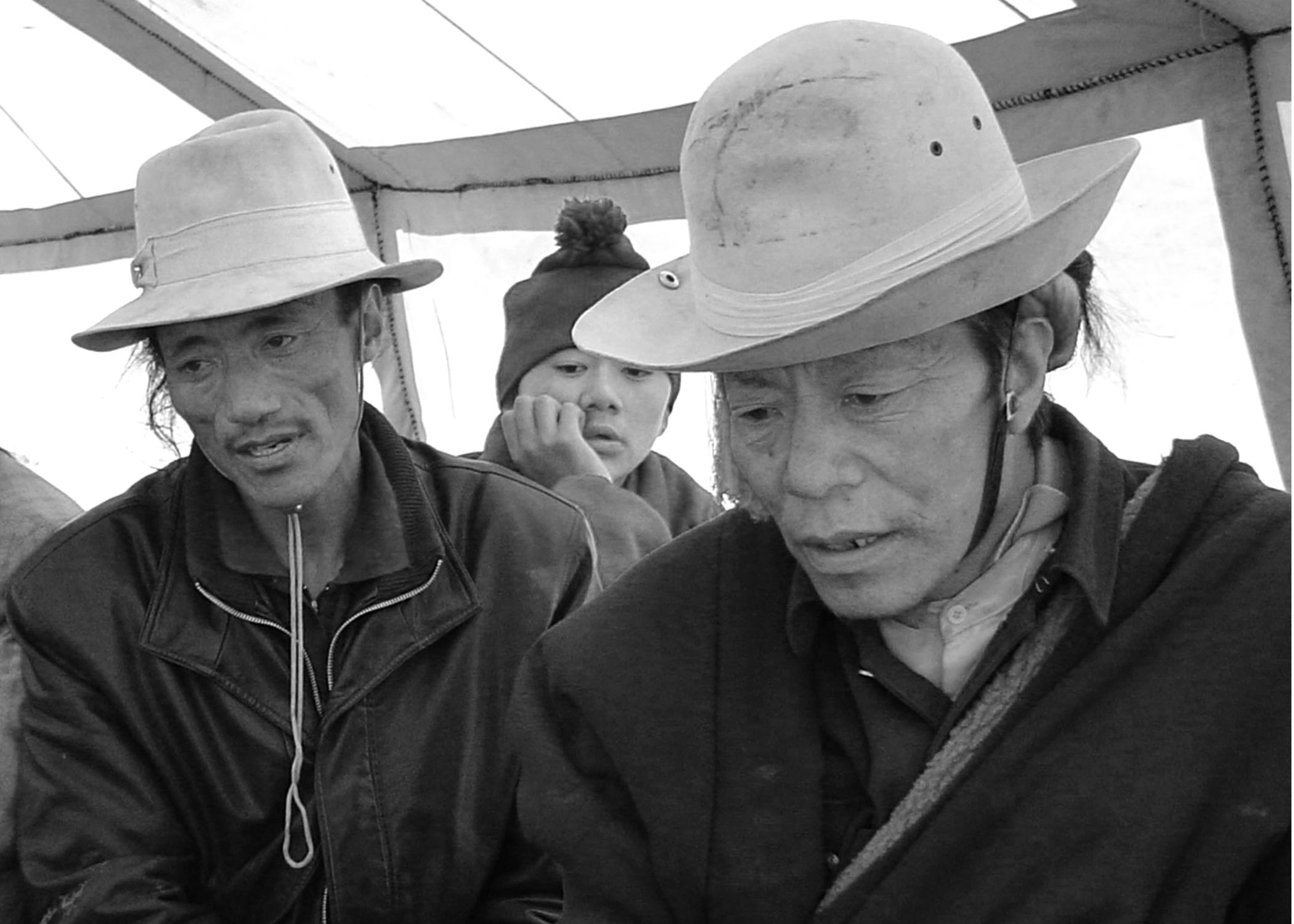
Stories from the Field: Realities of field work at 14,000 feet.

High in China’s western Qinghai province is a small village where project DROLMA is based. The population consists of 2,800 nomadic people who move twice a year, to and from their summer encampments which reach 15,420 feet into the sky. The conditions are harsh with short growing seasons; their traditional diet consists of roasted barley flour mixed with yak butter and salted tea. A centrally located monastery with 52 monks in residence provides the spiritual guidance for this community. It was the wisdom of one of their spiritual leaders that made the project a reality. He reached out for assistance, seeking new ideas for problems that have challenged his people for decades. Continue reading “Stories from the Field: Realities of field work at 14,000 feet.”