

On Tuesday, USAID administrator Dr. Rajiv Shah gave the 2011 David E. Barmes Global Health Lecture at NIH. His speech, titled “Addressing Grand Challenges:The Role of Science in Global Health Development,” can be viewed here. The transcript can also be downloaded, or you can read it on USAID’s website here.
Author: ihsection
NTV Kenya Video: Saving the children from pneumonia
Global Health News Last Week
STUDENTS AND NEW PROFESSIONALS: The Chatham House (formally known as the Royal Institute of International Affairs), a London-based think tank, is looking to fill two internship positions to begin in mid-April. They are looking for individuals who can work four days per week. The closing date is February 25, and interviews will be held on March 3 or 4. The position is unpaid.
End the Neglect is calling on global health bloggers to contribute guest posts for consideration. Read more about this opportunity here.
A study done at UCLA has apparently revealed that winning an Oscar may be a risk factor for stroke.
The International Vaccine Institute announced the launch of the Dengue Vaccine Initiative, which will “accelerate the development and untilization of safe, affordable and broadly protective vaccines to combat dengue.” The initiative will be funded by a $6.9 million grant from (surprise!) the Gates Foundation.
The World Bank reports that, despite the region’s robust economic development, South Asia is facing a health crisis as rates of heart disease, diabetes, and obesity rise. Meanwhile, the WHO released a report on alcohol and health, which found that alcohol is responsible for 4% of deaths worldwide (more than AIDS, TB, or violence), and that alcohol control policies are weak in most countries.
Mosquito-borne diseases are experiencing a comeback in Europe: in 2010, there were incidences of West Nile virus, dengue, malaria, and chikungunya. Some researchers predict that this may be an ongoing trend, as one study found that malaria may re-enter Europe by 2080.
A growing number of hospitals and medical businesses in the U.S. are implementing smoke-free hiring policies, barring employees from smoking and making smoking a reason to turn away applicants. The move is controversial, perhaps because the fact that the WHO has been doing this for years is not common knowledge.
In a surprising development, the Geneva-based Medicines Patent Pool announced that it is in negotiations with F. Hoffman-La Roche, Gilead, Sequoia, and ViiV (a joint venture of GSK and Pfizer) to begin sharing their patents for AIDS drugs. Unfortunately, Abbott, Boehringer-Ingelheim, Bristol-Myers Squibb, Merck, and Tibotec/Johnson & Johnson will not be joining the party.
The Kaiser Family Foundation released a (rather depressing) report on the state of global health journalism, which found that global health coverage is decreasing due to lack of funding in media outlets, among other reasons. Sarah Arnquist, who manages the Global Health Hub, reflects on what that means for us global health bloggers.
Holy cow – the AIDS rate in Zimbabwe has actually gone down?!
George Clooney has teamed up with Nicholas Kristof to raise awareness about malaria. After catching it himself while he was in South Sudan for the independence referendum, he fielded questions from readers via Kristof’s NYT column.
Cholera continues to make the rounds, this time appearing in Venezuela and New York City. Global health professor Karen Grepin points out that this “epidemic” has been going on for four decades, and that our inability to control it indicates a a major failure in global health.
The WHO is investigating claims from 12 different countries that the swine flu vaccine may be linked to narcolepsy.
February 7 marked the 11th annual National Black HIV/AIDS Awareness Day in the U.S.
Brett Keller, a Master’s student in global health and international development, also does a weekly news round-up on his blog called “Monday Miscellany.”
Cuban Disaster Preparedness: Lessons Learned
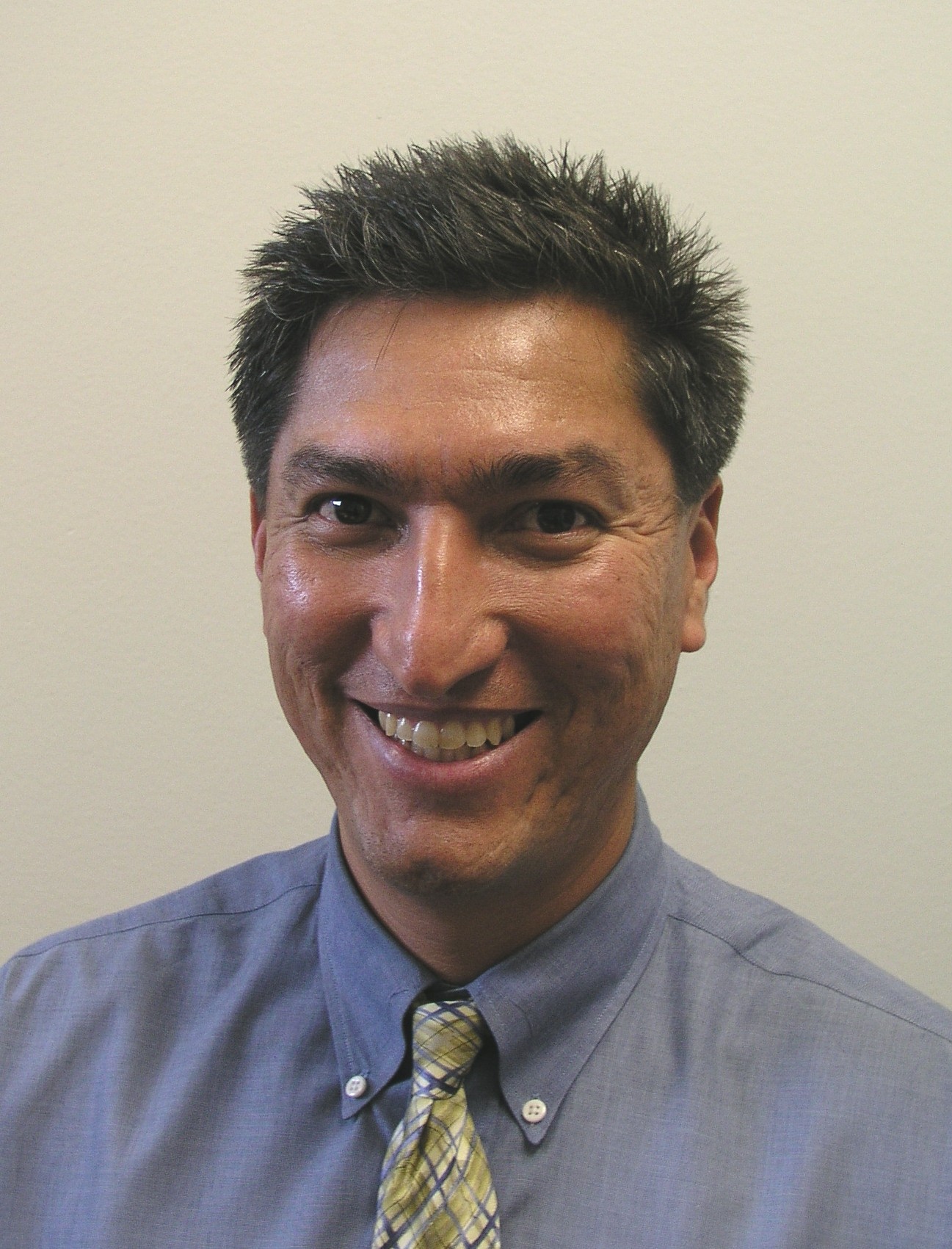 Guest blogger: Joe Vargas
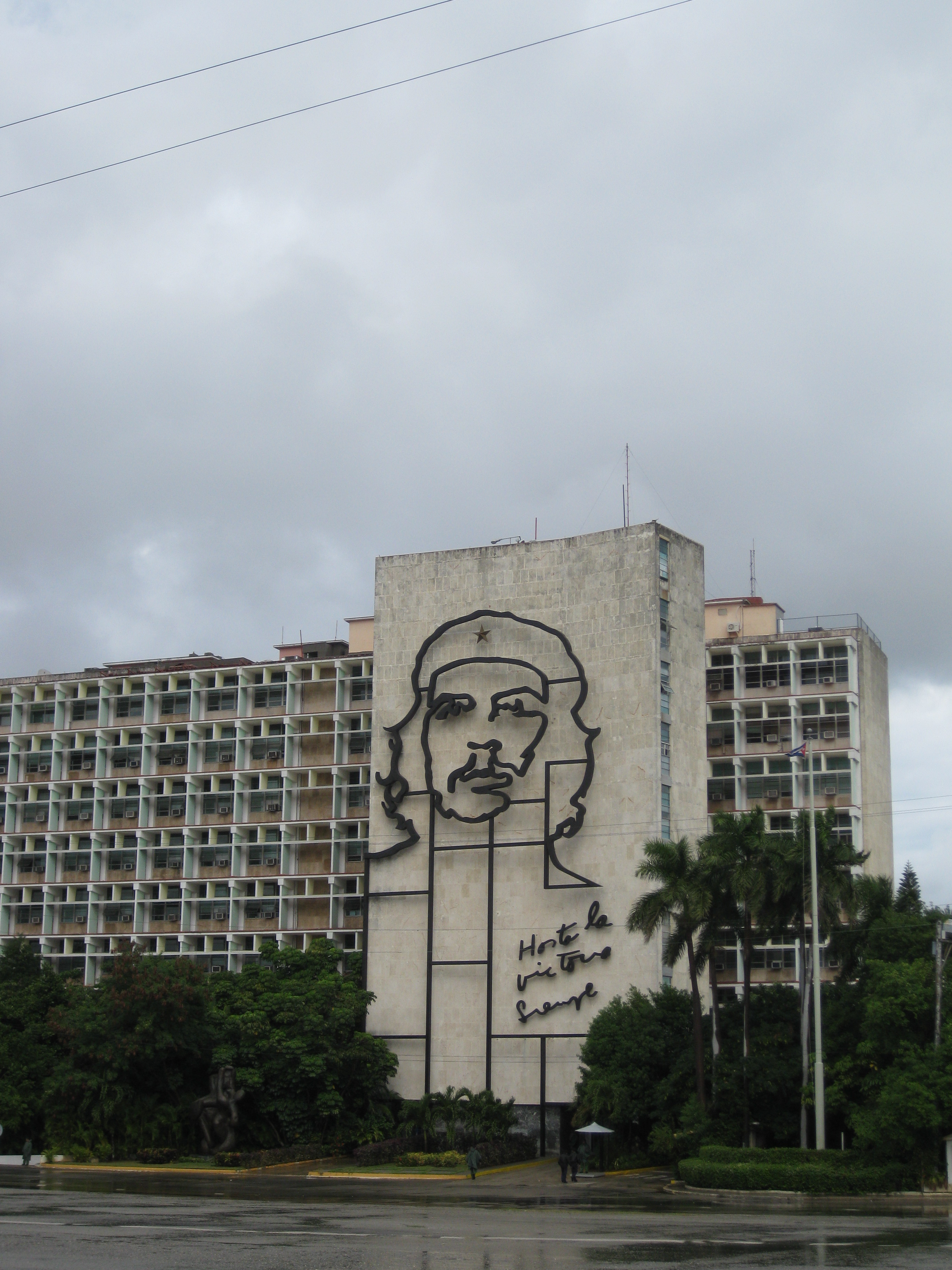
The California Disaster Medical Services Association, in conjunction with the Medical Education Cooperation with Cuba (MEDICC), provided an opportunity for 17 health care professionals to be part of an exciting research team to examine Cuba’s acclaimed public health system, including its renowned disaster preparedness and medical response systems. The research group traveled to Havana, Cuba in December 2010 for nine full days of lectures, educational presentations and interchange with Cuban medical professionals and public health response teams. Although the United States has not had diplomatic relations with Cuba and travel is restricted, the group was allowed permission under the US treasury’s general license for professional research that includes full-time health and emergency response professionals doing research in Cuba.
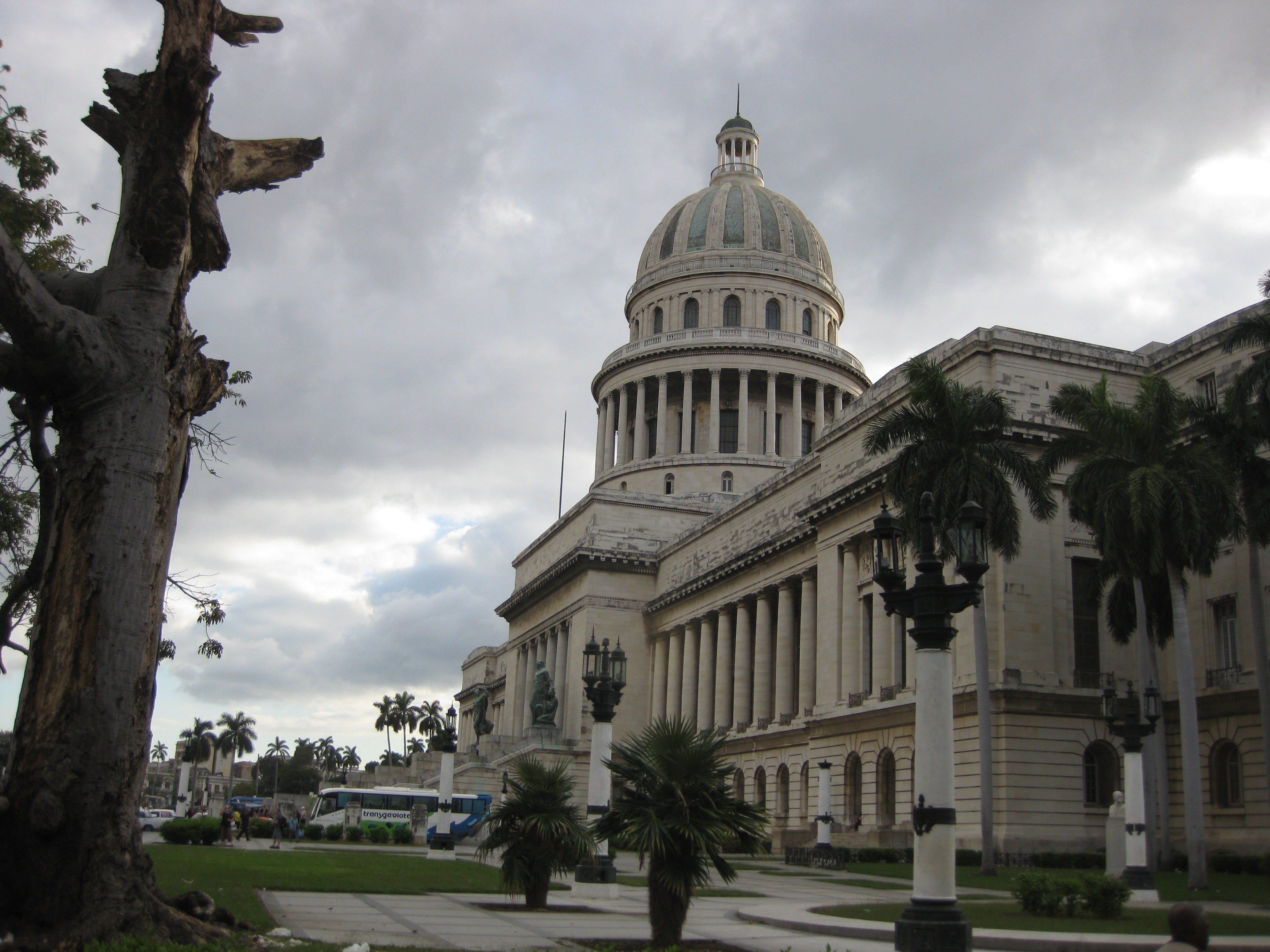 During the visit, the group examined Cuba’s elaborate yet unsophisticated system for population protection during disasters. Given their limited physical, technical and transportation resources, the Cuban people, including school children, are taught at an early age about their role and responsibility in a disaster. Education is compulsory up to the 12th grade. Cuba’s hurricane-prone geographical location has necessitated an efficient and coordinated approach with an emphasis on accurate, early and frequent communication information. These internationally recognized measures include prioritized evacuation procedures for vulnerable populations that include high-risk seniors, pregnant women, disabled and individuals living in remote areas where flooding occurs. Transportation is prearranged using city buses to evacuate large communities to safer ground until the storm diminishes. Other preparatory efforts include frequent meteorological reports, monitoring and the shutdown of power and utilities days before the storm arrives. Cuba is one of the few countries that offer early advisories and information phases as preludes to the hurricane watch. Historically, very few deaths and injuries have occurred as a result of the many powerful hurricanes (Charlie, Wilma, Ivan) that have struck Cuba using this preparation approach.
 The group also toured several medical facilities including Havana’s polyclinics (neighborhood clinics). At these facilities, the research team was able to view Cuba’s robust primary prevention-focused medical system and understand its critical ties to civil defense teams and meteorological and information sharing systems. Highlights included meeting with grassroots organizations in disaster preparation, response and recovery, including neighborhood organizations and the neighborhood-based physician medical team. The Ministry of Public Health directs all health sectors to support a comprehensive system of healthcare specifically oriented to prevention activities and primary care. Family physicians work in residential neighborhoods where they are provided a home and a functional clinic. Working alongside a nurse, they are responsible for approximately 80-130 families in their community. This closeness allows healthcare professionals to provide immediate emergency and personal care to their neighbors. Physicians develop an overall understanding of all their community needs, which contributes to their overall wellness and whose population health indicators are comparable to developed countries like the US and Canada.
Team members will be sharing their experiences throughout the country at conferences and workshops. To schedule a presentation or for further information you may contact Joe Vargas at jvargas [at] ochca [dot] com.
Global Health News Last Week
The PSI Healthy Lives Blog has begun running a daily global health news summary called “The Healthy Dose,” written by Mark Leon Goldberg and Tom Murphy (who also blogs about development at A View from the Cave).
STUDENTS AND YOUNG PROFESSIONALS: The Global Health Corps is currently accepting applications for its Global Health Fellows Program, which comes highly recommended by just about everyone I have heard mention it.
February 6 was International No Tolerance Day to Female Genital Mutilation.
The Vatican will host an international conference in May on preventing AIDS and caring for those afflicted with it amid continued confusion over its position concerning condoms as a way to prevent HIV transmission.
The Global Fund announced the launch of new anti-corruption measures after intense scrutiny from donors following stories on fraud investigations by The Associated Press. Meanwhile, debate and public controversy over the AP’s presentation of the story rages on.
The discovery of a new type of mosquito, a subgroup of Anopheles gambiae (the species which transmits malaria), is causing concern among scientists because it appears to be very susceptible to the malaria parasite.
Bill Gates is becoming frantic in his pursuit to eradicate polio. In addition to making it the cornerstone of his 2011 annual letter, he held a webcast event last week, campaigned for funds at Davos, and is needling governments to donate funds for a “final push.” He is also beginning to irk some, who say he is distorting other priorities.
 IH CONNECT