Social determinants of health

“When we try to pick out anything by itself, we find that it is hitched to everything else in the universe”, you can probably extrapolate this John Muir quote to health. For far too long, health has been a very specific, very individual-driven personal attribute. Although social inequalities and inequities are not new to any of us, we now have data that show how health is impacted by not just individual preferences/behaviors and biology but also by social, environmental and economic conditions that individuals live in. These are collectively known as social determinants of health (SDH or SDoH) and the WHO defines SDH as “the conditions in which people are born, grow, work, live, and age, and the wider set of forces and systems shaping the conditions of daily life. These forces and systems include economic policies and systems, development agendas, social norms, social policies and political systems.”

Recognizing the impact of social determinants on health, Dr. Frieden introduced the Health Impact Pyramid in 2010.

An external file that holds a picture, illustration, etc. Object name is 590fig1.jpg

Source: Health Impact Pyramid

What exactly are social determinants of health? Below is an easy-to-read table from a Policy Brief from Kaiser Family Foundation.

Figure 2: Social Determinants of Health
Health equity can be achieved by addressing the upstream root causes a.k.a the social, environmental and economic factors that negatively impact health. Health Equity, as so aptly described in the image below, is defined by the WHO as “the absence of avoidable or remediable differences among groups of people, whether those groups are defined socially, economically, demographically, or geographically.”

IISC_EqualityVsEquityCartoon
Source: “Interaction Institute for Social Change | Artist: Angus Maguire.”

While there is plenty of evidence for how social determinants impact health, there have not been many solutions that have been tested and you can probably imagine why!

In the coming months, we will explore evidence for working upstream and programs and practices that are being tested to impact health by addressing social determinants of health. If you know of any implementation examples, please leave a comment.

Don’t forget to tune into and participate in APHA’s Social Determinants of Health Twitter chat #SDOHChat  on October 5th, 2016 between 1:00 PM – 2:00 PM (EST).

Global News Round Up

Politics & Policies

A new study that examines some major health care proposals from presidential candidates finds that Donald Trump would cause about 20 million to lose coverage while Hillary Clinton would provide coverage for an additional 9 million people.

The government isn’t regulating how highly dangerous viruses and bacteria are rendered safe for shipment, posing risks to the public, auditors say.

At this year’s United Nations General Assembly, policymakers and elected officials should increase their political commitment for breast- feeding as they work to tackle issues of critical importance related to the health, wellbeing and economic success of their 193 states. It’s directly related to our collective goals.

The United States unveiled plans on Thursday to ramp up efforts to end female genital mutilation (FGM) after figures showed more than half of million women and girls were living at risk.

On September 21st in New York all 193 UN member states agreed to tackle the growing resistance of microbes to antibiotics.  Drug-resistant infections now kill more than 700,000 people a year. On current trends, that number may reach 10 million by 2050.

Senate Republicans on Thursday released the latest draft of a $1.1 billion funding package to fight the Zika virus, and it contains some of the controversial funding offsets that Democrats have long opposed.

The World Health Organization (WHO) is preparing to select a new director general.  It needs someone dynamic and politically astute to drive strategic reforms, say global health experts.

A study funded by the Bill and Melinda Gates Foundation, measured how countries, including Australia, China, India, the US and UK, performed over the last 15 years with Iceland taking the top spot for its health related Sustainable Development Goal (SDG) performance.

New Zealand falls way behind our neighbours across the Tasman as a healthy country to live in, a major global study has found.

Programs, Grants & Awards

The Center for Global Health in the Perelman School of Medicine at the University of Pennsylvania is pleased to honor Ernest Madu, MD, chairman and CEO of the Heart Institute of the Caribbean with its first annual Global Health Champion Award. Madu was presented with the award on Thursday, Sept. 15 as part of a celebration for Penn’s newly launched Center for Global Health.

Bill Gates, Bono among big names at Montreal conference to replenish fund to fight HIV/AIDS, TB and malaria.

Glaxo-Smith Kline (GSK) has plans to address emerging global health issues, the company said in a Sept. 19, 2016 press release. The company put forth a series of steps it will take in order to combat several global health challenges, including access to vaccines, antimicrobial resistance, and preparation for future pandemics.

University of Iowa students now will be able to expand their knowledge of health around the world, thanks to a new major in Global Health Studies.

Research

Since December 2013, an armed conflict in South Sudan has resulted in the displacement of over 2.2 million people, more than 270,000 of whom are presently in refugee settlements located throughout Uganda. Existing literature suggests that refugees are at increased risk for a range of mental health and psychosocial problems.

Molecular surveillance identifies multiple transmissions of typhoid in West Africa.

Experimental treatment of Ebola virus disease with brincidofovir.

During 2004–2013 in Mozambique, 455,600 HIV-positive adults (≥15 years old) initiated antiretroviral therapy (ART). We evaluated trends in patient characteristics and outcomes during 2004–2013, outcomes of universal treatment for pregnant women (Option B+) implemented since 2013, and effect on outcomes of distributing ART to stable patients through Community ART Support Groups (CASG) since 2010.

Informed risk assessment and decision making for an emerging infectious disease in the Asia-Pacific Region.

For the first time, abnormal brain development following a Zika infection during pregnancy has been documented experimentally in the offspring of a non-human primate.

By 2050, 75% of the world’s population is expected to live in cities, making city planning key for addressing disease prevention and global health challenges, according to a series published in The Lancet.

Diseases & Disasters

Hookworm is a parasite that is behind millions of infections worldwide. This intestinal parasite can cause a host of complications in people of all ages.

More than a third of the burden of disease experienced by Indigenous Australians could be prevented, with tobacco and alcohol use, high body mass, physical inactivity, high blood pressure and diet contributing to their illnesses, data released by the Australian Institute and Health and Welfare shows.

Miami district which saw the first locally transmitted Zika cases in the US has been declared free of the virus.

Health organizations have all the right weapons to eradicate polio, but can’t deploy them because of wartime conflict in Nigeria, Pakistan and Afghanistan – the last three countries affected by the disease.

The World Health Organization (WHO) has recently initiated a global health strategy, which will run between 2016 and 2021, to eliminate hepatitis C as a global health threat by 2030.

With all four strains of the dengue virus now circulating in Pakistan and outbreaks of the viral disease being reported in new areas, this South Asian country now faces a serious health problem from the mosquito-borne pestilence, researchers say.

In the five years since the civil war between President Bashar Assad’s government and rebel groups began, more than 250,000 Syrians have died in the conflict. But thanks to the White Helmets, over 60,000 lives have been saved.

Traditional strategies for delivering health services to refugees and migrants will not meet the needs of today’s 65 million displaced people, according to refugee, development and global health experts who met Thursday at a UN General Assembly side event.

Technology

A new technique may democratise vaccine production.  James Collins of the Massachusetts Institute of Technology (MIT) thinks that he may have developed one.

Healthcare, the USD 18-billion healthcare technology unit of GE, has announced USD 59-million funding aimed at improving services of healthcare startups in developing countries.

Facebook founder Mark Zuckerberg and his wife Priscilla Chan have pledged $3 billion (£2.3bn) to fund medical research over the next decade. At a press conference in San Francisco, they said their ultimate goal was to “cure, prevent or manage all diseases by the end of the century.”

Environmental Health

Volkswagen (VW) emissions cheat may lead to 50 premature deaths, $423 million in economic costs, study shows.

Australia’s offshore petroleum industry regulator is set to rule next week whether to grant oil giant BP’s application to drill in the Great Australian Bight.

While July was busy becoming the hottest month in 136 years of record-keeping, Donald Trump made no reference at all to climate change in his nomination-acceptance speech, and Hillary Clinton made only two passing references in hers.

A week before Russia’s Daldykan river was turned red by a leak from a metals plant, the UN issued a warning as chilling as it was overlooked: 323 million people are at risk from life-threatening diseases caused by the pollution of rivers and lakes.

Equity & Disparities

Gender equality remains the greatest human rights challenge of our time, and one way to achieve the goal is by empowering women to have greater choices economically and control over their lives, United Nations Secretary-General Ban Ki-moon declared today, urging the international community to spearhead efforts that provide opportunities for women and girls.

A new analysis shows that the life expectancy of people living with HIV is very different between Europe, North America and African countries.  The analysis pools the results of eight previously published studies on life expectancy, with over 150,000 people included.

Increasing evidence from scientists the world over indicates that many health outcomes — everything from life expectancy to infant mortality and obesity — can be linked to the level of economic inequality within a given population. Greater economic inequality appears to lead to worse health outcomes.

The global news round up was prepared by the communications team.

Our response to @NASEM_health’s request for comments for their #globalhealth consensus study

Last week, a researcher from the NAS’s Board on Global Health reached out to us to request public comments from the IH Section in order to inform its recommendations for the next U.S. presidential administration on global health:

A project that we are currently conducting aims to provide recommendations to the new administration on what the next phase of U.S. commitment to global health should look like. This project is a consensus study, meaning that we will be convening with a committee of experts in the field to negotiate a set of evidence based recommendations. However, as we progress through this project we are seeking public comments from interested in parties that we will then present to the committee. Given APHA’s work in International Health, we would be interested in receiving public comments from your organization.

We are interested to see if NAS will approach the new administration any differently than it approached the Obama administration in 2009, and whether it will keep politics in mind – or even better, reference specific political challenges – with their recommendations. Frankly, any new approach to U.S. global health policy will risk going the way of the failed Global Health Initiative without strategic and sustained effort to (1) harmonize it with our overall foreign policy approach and (2) overcome considerable political and legislative barriers. Laurie Garrett has a fantastic summary of the latter in the 2013 Existential Challenges to Global Health report:

The first two years of the Obama Administration were wasted with in-fighting and debate over the future of all foreign assistance, culminating in 2010 creation of the Global health Initiative, a State Department-run melding of programs operated by multiple American agencies. In late 2011 Secretary Hillary Clinton…signaled impatience with the GHI effort: it was abandoned entirely in the summer of 2012. In December 2012 Clinton shifted control over global health operations into the hands of US Ambassadors, creating the Office of Global health Diplomacy to oversee all HIV, malaria, TB, health systems, and other health-related programs. Polls show that Americans…are deeply confused about how much of the federal budget is dedicated to such foreign aid, imagining it devours as much as 25 percent of the budget, versus the actual less-than-1 percent. This combination of Administration shuffling of priorities and structure of global health operations, with public confusion regarding their cost to taxpayers, renders the entire mission highly vulnerable to budget slashes.

Section elected and committee leaders offered their thoughts on what should be in our response, which were compiled and integrated into a formal statement (below).

We urge that the new administration adopt a systems-centered approach to global health with a focus on equity. Historically, the global health field and professional community has been dominated by vertical (i.e., disease-centered) approaches to global health improvement. While these approaches may seem more glamorous and marketable, and the gains and progress made by these initiatives cannot be understated, the earthquake in Haiti, the reappearance of polio in conflict zones, and the recent Ebola outbreak in west Africa are cautionary tales of the devastation that an emerging disease or unforeseen catastrophe can have when health systems are poorly equipped to respond. To advance the health of the world’s population, U.S. global health efforts should contribute to elimination of poverty, advancement of education, and ensuring access to health care by the poor. Health systems strengthening, both technically and managerially, and increasing access by incorporating the participation of communities and civil society in systems for social accountability, is more important than battling each new disease as it erupts and will ensure that those systems are prepared to protect the health of their constituencies no matter the disease du jour. We question current strategies for blanket integration of health programs/services and decentralization of governance, and urge that these policies be carefully assessed in each country situation before promoting them. Countries should be empowered for improved decision-making to increase aid effectiveness.

A greater focus is needed on the health needs of mothers, newborns and children (MNCH), especially in first 1,000 days (conception to 2 years). Improving health and development in infants and young children can have impressive impact and have the greatest potential for better population health and productivity in the future. While substantial gains have been made in this area in the last 15 years, this population group remains underprioritized, as demonstrated by the MDGs 4 and 5 which had the lowest level of completion among the MDGs. MNCH is best helped by addressing social determinants of health with pro-poor and health in all-sectors policies and by strengthening primary health care systems to work better with communities, reducing cultural and economic barriers to improve access to preventive and curative care. Improving quality of obstetric and neonatal care in health services should be a priority to reduce mortality.

A serious commitment to a health systems approach must also include work to address the health effects of climate change, which disproportionately affect developing countries and children under five years of age, with both mitigation and adaptation.

If the NAS is committed to advocating for the administration to make global health a pillar of US foreign policy, then it must urge that administration to work to make sure that the rest of its foreign policy reinforce that commitment. That includes advocating for peace and reducing armed conflict wherever possible. We need to stop investing in war and weapons, particularly the catastrophic conflicts in Yemen and Syria (which the US has prolonged by engaging in a poorly organized proxy war with Russia) and the new planned $1 trillion nuclear weapons modernization act. Our country will have no standing as a global health leader if our military continues to engage in arms races, bomb hospitals, and kill civilians in drone strikes.

Finally, the administration needs to make sure that whatever global health policies or initiatives it decides to launch are sustainable in the long term. The White House’s original Global Health Initiative (which, ironically, appears to have been inspired by the last NAS report on global health to the incoming administration) fell on its face and failed embarrassingly, much to the chagrin and frustration of the development community at large. The problems that were intended to be addressed still remain: turf battles between agencies, competing priorities, lack of rigorous evaluations, and (most importantly) lack of overall strategic vision.

You can read more about the project here. The committee’s first meeting (September 29 from 1-5:30 p.m. EST) will be open to the public, and there will be a live webcast as well.

#AMR and vaccine hesitancy

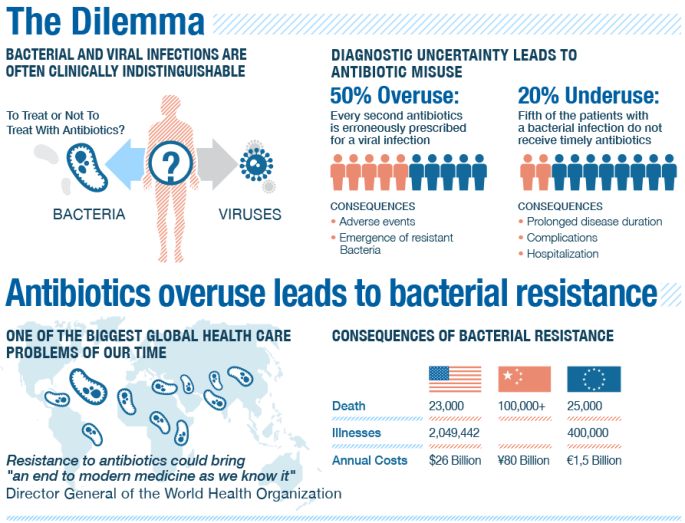
You would have to live under the proverbial public health rock to have missed news of the UN’s landmark proclamation to combat antimicrobial resistance (AMR).  “Superbugs” or antimicrobial resistant bacteria, fungi, viruses, and parasites are a global health concern poised to claim many more lives.  How does AMR happen?

info-2
Source: WHO

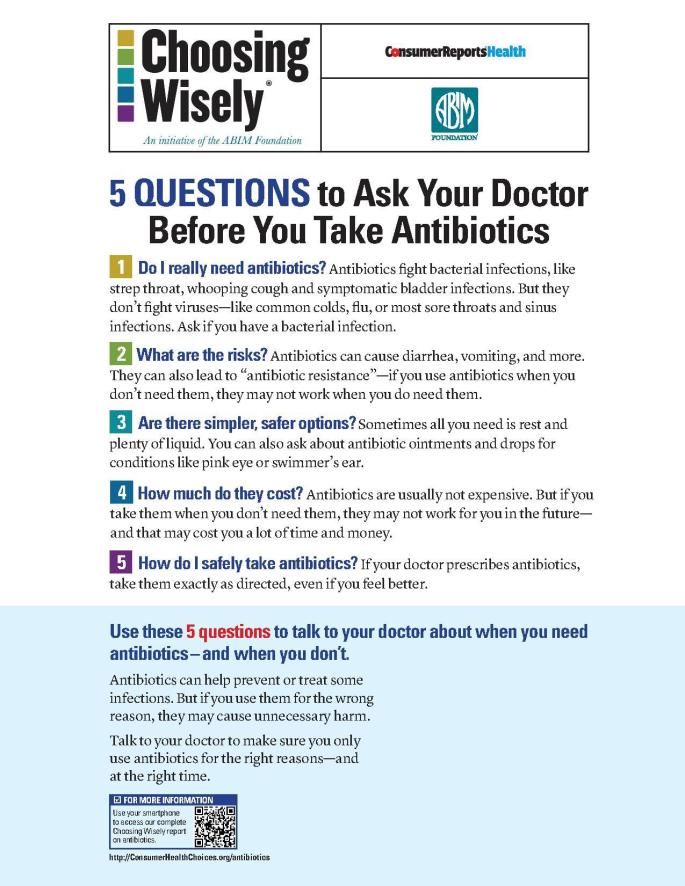
Among the most prescribed drugs in medicine, antibiotics are not appropriate to treat many illnesses and infections including the common cold, influenza, most sore throats, and ear infections.  According to the Centers for Disease Control and Prevention, up to half of all illnesses for which antibiotics are prescribed are not bacterial in nature and thus unresponsive to antibiotics.

choosing_wisely_antibiotics_poster_small_english-pdf

Over-prescription of antibiotics is one cause for AMR, as is our food system’s use of antibiotics for livestock to promote growth and prevent infection.  The cost associated with developing new antibiotics is prohibitive.  Unlike medication to manage chronic diseases, antibiotics are meant to be used sparingly which does not recoup the estimated $1 billion spent to develop a new drug.  As a result, the majority of leading pharmaceutical companies no longer develop new antibiotics.

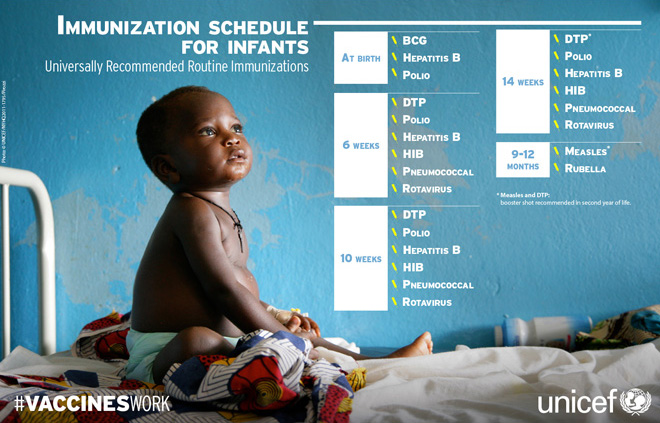
Regular and timely vaccinations are integral to reducing dependency on antibiotics and thus antimicrobial resistance.  The use of vaccines has significantly decreased the prevalence of the world’s deadliest and most preventable diseases, including diphtheria and pertussis.  Even with the increased availability of vaccines, UNICEF reports that 24 million children – roughly 20% of children born each year – do not receive all vaccines recommended in the first year of life.

660x423_iw2014_vacctable_large

Europe and the United States have seen a resurgence of vaccine-preventable diseases including pertussis, better known as whooping cough.   Why are diseases we associate with our grandparents’ generation, reappearing in countries with the means to eradicate them?

After publication of a famously fraudulent report that linked routine childhood vaccinations to autism, vaccination rates plummeted in some developed countries.  Vaccine hesitancy, or delay or refusal of available vaccines, led to non-medical exemptions (NMEs) which allow parents to opt out of immunizations for religious, philosophical, or personal reasons.  Children with and without current immunizations then mingle at all the usual spots: daycare, school, and public facilities.

One of the most amazing attributes of vaccines is their ability to protect us regardless of whether we’ve been immunized.  Herd immunity, or the benefit to the community if most citizens are properly immunized, protects children too young to be immunized and those with compromised immune systems.  If the ratio of immunized individuals drops below 95%, the risk to those groups increases.

Vaccine compliance is just one way to reduce reliance on antibiotics and halt antimicrobial resistance.  Sadly, lack of access to vaccines in the developing world is the number one issue impacting compliance.  By comparison, vaccine hesitancy and NMEs fall squarely into the “First World Problems” category.

What can the United States and Europe do to increase vaccinations among constituents?  An article in the New England Journal of Medicine found that while NMEs have increased in the US, states with stricter exemption criteria had fewer NMEs.  WHO’s Europe regional office published the Guide to Tailoring Immunization Programmes (TIP) in an effort to educate parents and providers.

To see which vaccine-preventable diseases are trending in your area, check out this fabulous interactive map from the Council on Foreign Relations.

@MSF Video: Patents and the fight for #generics

Intellectual property protects those items that we can’t live without – think Netflix and the iPhone 7 – and those that we would surely die without, including life saving and extending medications.  Today’s video covers the latter and the barriers much of the developed world faces courtesy of patent laws that protect pharmaceutical companies.  This issue has come to recent attention as the UN’s Panel on Access to Medicines published its recommendations to Big Pharma’s chagrin.

At the crux of the UN Recommendations is a struggle that pits profits against people.  Enacted in 1995 by the World Trade Organization, the agreement on Trade-Related Aspects of Intellectual Property Rights (TRIPS) introduced minimum standards for protecting intellectual property, including patents on medicine.  TRIPS proved a boon for international trade, but set a 20-year patent on novel medication.  Only after the patent lapses can generic alternatives hit the marketplace.  It is at this point when many lifesaving and extending drugs are first available to the developing world.  The price tag of a medication to treat HIV/AIDS can drop from $10,000 per year to $200 due to generics.

Under TRIPS, each country has the right to a grant compulsory license, as stated in this excerpt:

Where the law of a Member allows for other use of the subject matter of a patent without the authorization of the right holder, including use by the government or third parties authorized by the government, the following provisions shall be respected:

(b)   such use may only be permitted if, prior to such use, the proposed user has made efforts to obtain authorization from the right holder on reasonable commercial terms and conditions and that such efforts have not been successful within a reasonable period of time. This requirement may be waived by a Member in the case of national emergency or other circumstances of extreme urgency or in cases of public non-commercial use. In situations of national emergency or other circumstances of extreme urgency, the right holder shall, nevertheless, be notified as soon as reasonably practicable. In the case of public non-commercial use, where the government or contractor, without making a patent search, knows or has demonstrable grounds to know that a valid patent is or will be used by or for the government, the right holder shall be informed promptly;

In layman’s terms, if it is in the public’s best interest, generic drugs can be pursued without the patent holder’s consent.

A few years after TRIPS, South Africa attempted to pass an act that would grant a compulsory license for antiretroviral therapy in response to a staggering HIV/AIDS epidemic. The act was met with a lawsuit by 40 multinational companies and the United States, citing South Africa in violation of the TRIPS agreement, though executed in the midst a public health crisis.  Despite controversy, President Nelson Mandela signed the act into law and the lawsuit was eventually dropped.  In response, the World Trade Organization signed the Doha Declaration in 2001 to further clarify the right to grant compulsory licenses.

Nearly 20 years after TRIPS and Doha, the developing world continues to suffer from catastrophic levels of health inequality.  Africa, among the hardest hit, is home to nearly half of all tuberculosis cases and 91% of HIV-positive children. Countries that attempt to circumvent TRIPS, even in the direst of public health crises, are subject to retaliation by termination of trade agreements that help keep their economies afloat.

Earlier this year, Colombian Health Minister Alejandro Gaviria, warned a large pharmaceutical company, Novartis, that a compulsory license to pursue a generic form of a popular cancer drug was imminent if Novartis didn’t lower its prices.  In a letter from the Colombian Embassy in Washington, Colombia’s government was threatened by the United States with withdrawal of support to join the Trans-Pacific Partnership trade zone and funding to facilitate a peace deal with a longstanding rebel group.

The exorbitant cost of pharmaceuticals can also threaten consumers in developed countries.  Recent outcry over the soaring price of the anaphylaxis drug, EpiPen, has many in the United States worried. The price of EpiPen has gone from $60 to over $600 in recent years and are now exclusively sold in two-packs, further increasing the cost for consumers.  A similar product, Adrenaclick, is not considered equally therapeutic to EpiPen and pharmacies are unable to fill prescriptions.  Another pharmaceutical company applied to make a generic version, but the application was rejected by the FDA.

This has led to repercussions such as children carrying expired EpiPens and EMTs dispensing epinephrine by syringe, which makes it much harder to administer the correct dose.  A recent article in the American Journal of Medicine suggests that EpiPens be added to a list of preventive medicines, effectively lowering the copay without lowering the overall price of the drug by the pharmaceutical company, Mylan Specialty.  The cost would likely be shifted to consumers in higher deductibles.

In light of the UN recommendations, what is the next step to guarantee medications are available to those who need them?  Dr. Bernard Pecoul of Drugs for Neglected Diseases Initiative urges action, not apathy:

“Governments mustn’t allow the report to become yet another exercise that describes the current failures of the medical innovation system without contributing concrete steps to address those failures. Responsibility now clearly falls on them at the highest political levels to act by putting in place innovative and practical solutions.”