Attend CBPHC’s Workshop On 10/23: Diverse Partnerships Transform Community Health

The Community-based Primary Health Care Working Group presents a workshop every year just ahead of the American Public Health Association (APHA) annual meeting.  It will be virtual this year and includes people in the field in the US and internationally working in and with communities.  It is very student friendly.  You do not have to be a member of the APHA or attending the meeting.  We hope your will take this opportunity learn and share about diverse partnerships in community health.

Diverse Partnerships Transform Community Health

Partnership Planning for Scalable Solutions

Saturday, October 23, from 11:00 am – 3:00 pm ET/9:00 am – 1:00 pm MT

Overview

Solutions for complex community health challenges are most powerful and relevant when they are designed with input from many complementary partners. Join us for this year’s Community-Based Primary Health Care pre-conference workshop as we explore promising practices for strategically involving many diverse voices in the community-based transformation process. We will learn from powerful global partnerships that transformed community health with the input of many voices, stakeholders and partners with an emphasis on the active involvement of the most important partners- community members. 

Objectives

  1. Describe three common stages of community-based primary health care initiatives: 1) partnership design, 2) pilot testing, and 3) products (transformative impact). 
  2. Explain how involving the expertise of diverse partners uniquely strengthens community-based health initiatives  
  3. Illustrate promising approaches to forming, engaging and leveraging diverse partner input to support CBPHC initiatives   
  4. Develop concrete partnership-building skills specific to your CBPHC career stage

Design

4 hours

Online, Pre-Recorded keynotes with post-session interaction

Skills-based working groups targeted to CBPHC skill-level and/or career stage

Agenda

(Eastern Time, MST in parenthesis)

11:00 am ET (9:00 MST)  

Welcome – Reflection     

11:20 am (9:20 MST) 

Partnership, Products and Impact (Keynote)

Sustained Impact of Liberia’s Community Health Assistant Model

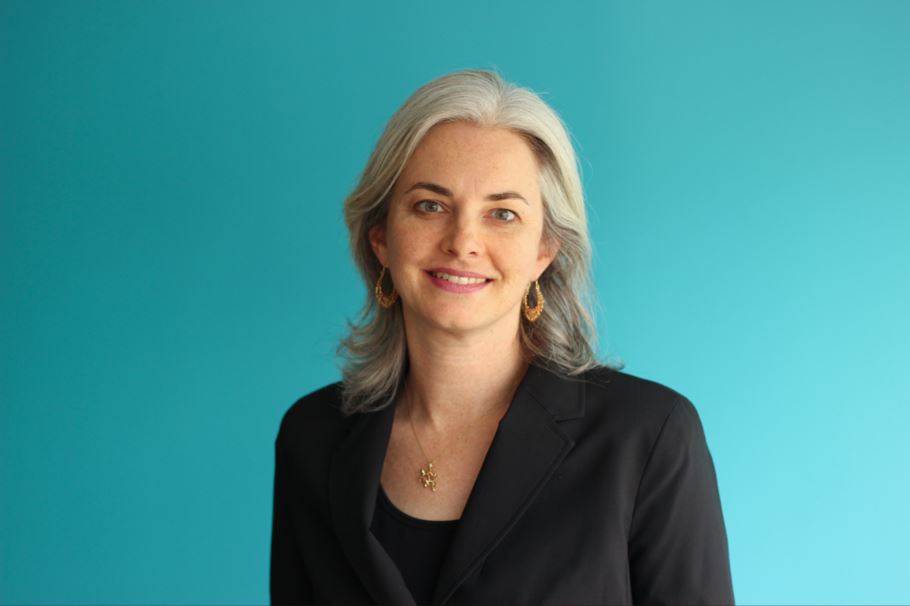
Last Mile Health (Lisha McCormick)

12:10 pm (10:10 MST)              

Skill Session: Sustained Community Impact (Keynote)  

CHA skills for: Base camp, Climbing, Summiting

12:40 (10:40 MST) 

Break

12:50 pm (10.50 MST)                

Critical Reflections Health Partnerships:  engaging those most affected

Tom Wolff

1:35 pm (11:35 MST)  

Break

1:45 pm (11:45 MST)                

Skill Session: Partnering with those most affected

Partnership skills: Base camp, Climbing, Summiting

2:30 pm (12:30 MST)                  

Piloting Testing Partner Ideas:  Guatemala

Guatemalan Birthing Centers:  From Villages to Government 

Mario Valdez (Spanish translation)

Safe + Natal: Anthropology and MHealth

Rachel Hall-Clifford (Anthropology)

2:50 pm (12:50 MST)                 

Feedback & Follow-Up  and Closing Remarks     


To Register:

News Round up

Politics & Policies

The leadership shown by President Biden is commendable and provides a much-needed boost to the global efforts to rapidly expand access to vaccines, scale up diagnostic testing and expand supplies of oxygen and other life-saving tools in all countries – especially the most vulnerable.

Mr. Biden assured leaders attending the UN General Assembly that the US intends to partner with allies to “help lead the world toward a more peaceful, prosperous future for all people.”                                               

An expert group consulted by the World Health Organization on how Europe and the world can better prepare for the next health emergency has proposed the creation of several new entities while resisting calls to merge existing ones.  

France’s former health minister Agnes Buzyn has been charged over her handling of the COVID-19 crisis after investigators at a special court in Paris concluded there were grounds to prosecute her.

Vice President Harris recently called for a new global health security fund at the World Bank to focus on pandemic preparedness, with the Biden administration planning to contribute $250 million in seed funding, a White House official said.

Programs, Grants & Awards

Northwestern University Trustees and alumni Patrick G. Ryan and Shirley W. Ryan have made a $25 million gift to name and endow the Robert J. Havey, MD, Institute for Global Health at Northwestern University Feinberg School of Medicine. The Ryans’ gift will ensure that the institute has resources in perpetuity to improve the health of billions of people in low- and middle-income countries worldwide.

A gift of $2.5 million is helping Hope College establish a new academic program. The multidisciplinary global health program started this fall and involves 12 academic departments.

On September 22, 2021, President Biden convened a virtual Global COVID-19 Summit focused on ending the pandemic and building better health security to prevent and prepare for future biological threats.

The Keck School of Medicine of USC global health student analyzed ways to use community health volunteers to expand residents’ access to health care in rural areas. His goal: to influence policy changes that could improve the Kenyan health system.

Research

As public health leaders worldwide scramble to contain COVID-19’s delta variant, researchers at Michigan State University know what can provide early signs of the virus and help with critical decisions — sewage.

More than 700 people have applied for spots on a new committee charged with breathing life into the World Health Organization’s stalled inquiry into the origins of the coronavirus pandemic. The committee, expected to be announced this week, represents an attempt by the embattled global health body to reset its approach to determining how the pandemic began.

The following is a summary of some recent studies on COVID-19. They include research that warrants further study to corroborate the findings and that have yet to be certified by peer review.

Diseases & Disasters

War and armed conflict causes a significant loss to human life and is a major cause of disability worldwide. In addition to those hurt and killed as a direct result of violent conflict, a vast amount of people are also negatively impacted by the wider effect of war on global health.

The Covid-19 pandemic has severely set back the fight against other global scourges like H.I.V., tuberculosis and malaria, according to a sobering new report released on Tuesday.                  

Nearly 18 months after the World Health Organization declared COVID-19 a pandemic, the coronavirus continues its march around the globe, leaving medical, social, and economic trauma in its wake. With the delta variant driving new and deadly waves of the disease across the world, the pandemic appears far from over.

More than 130 years after the naming of the Plasmodium parasites behind malaria, the world now has its first approved vaccine against them. Many malaria researchers have celebrated the development, but others have expressed concerns over the deployment of a vaccine that has only moderate efficacy.

Technology 

Universal concern over the potential use and misuse of genome editing reached a peak in 2018 following the surprise announcement of the first edited babies. 

Intended to create the foundation necessary to support the integrated digital health infrastructure of the country, the NDHM, now known as the Pradhan Mantri Digital Health Mission (PM-DHM), was first piloted last year in August across six union territories. It seeks to bridge the existing gap among different stakeholders in India’s healthcare ecosystem through digital highways.

A World Health Organization “pandemic intelligence hub” launched by the UN agency’s director general, Tedros Adhanom Ghebreyesus, and Germany’s Angela Merkel in Berlin on Wednesday will try to help governments identify future pandemics at an earlier stage and improve monitoring of new variant strains of Covid-19.

Environmental Health 

New WHO Global Air Quality Guidelines (AQGs) provide clear evidence of the damage air pollution inflicts on human health, at even lower concentrations than previously understood. The guidelines recommend new air quality levels to protect the health of populations, by reducing levels of key air pollutants, some of which also contribute to climate change.

The scientific community has known for decades that a group of widely-used chemicals is causing health harms across the globe, but effective policies aimed at curbing those impacts lag far behind the research, according to a new study.

At the end of this month, the annual United Nations climate conference will have begun, this year in the Scottish city of Glasgow. Campaign groups are already limbering up for the talks, COP-26, publishing the action they think is vital.

The WHO COP26 Special Report on Climate Change and Health, launched today, in the lead-up to the United Nations Climate Change Conference (COP26) in Glasgow, Scotland, spells out the global health community’s prescription for climate action based on a growing body of research that establishes the many and inseparable links between climate and health.

Equity & Disparities

President Joe Biden has announced that the United States will double its purchases of Pfizer’s COVID-19 vaccines for low and middle-income countries, bringing its pledged donations to a total of 1.1 billion doses.

In May 2020, there was a significant spike of COVID-19 cases among the Hispanic/Latino population in the Richmond, Virginia metro area of Chesterfield and Henrico counties. The Richmond City Health District contacted CDC and asked for help investigating this outbreak, which was quickly becoming a hot spot. Given my experience working with populations who are underrepresented, I was asked to organize and lead an emergency response team. We assembled the first ever CDC COVID-19 emergency response team made up of CDC H/L scientists and public health experts.

Humanitarian crises have a significant impact on global health. Situations such as armed conflict and war, natural disasters, and epidemics/pandemics, are all examples of humanitarian emergencies that are affecting more people today than they ever have. The impact of these crises on healthcare systems is great.

Not all food is created equal. So-called blue foods—a diverse range of aquatic animals, plants and microorganisms—offer significantly more nutrients than land-based crops and livestock, according to a first-of-its-kind database compiled by an international team that included researchers at Stanford.

Victor Dzau, President of US Academy of Medicine, calls on governments to establish a global health threats council, and says pharmaceutical companies should temporarily waive COVID-19 vaccine patents.

Women, Maternal, Neonatal & Children’s Health

The El Niño Southern Oscillation (ENSO) is a principal component of global climate variability known to influence a host of social and economic outcomes, but its systematic effects on human health remain poorly understood. A recent study shows that warmer El Niño conditions predict worse child undernutrition in most of the developing world, but better outcomes in the small number of areas where precipitation is positively affected by warmer ENSO

Texas’ controversial six-week abortion ban has been in effect just a few weeks, and physicians and researchers are already warning that the impact could be dire: if the law remains in effect, Texas could see a significant increase in maternal mortality.

Afghanistan has one of the worst maternal and infant mortality rates in the world, according to the World Health Organization (WHO), with 638 women dying per 100,000 live births.
World Breastfeeding Week 2021

By Dr. Jennifer Yourkavitch and Sarah Edmonds

This Saturday brings to a close the thirtieth annual World Breastfeeding Week Campaign. The campaign, which has taken over social media with the hashtag #WBW2021, is celebrated every 1st–7th of August in commemoration of the 1990 Innocenti Declaration and aims to raise awareness and galvanize action on themes related to breastfeeding. This year’s theme “Protect Breastfeeding: A Shared Responsibility” focused on creating a warm chain of support for breastfeeding that expands beyond individual actions to include health systems, workplaces and communities at all levels of society.

Within the IH Section, we recognize the importance of breastfeeding as a public health issue in need of awareness and support. Many of our members work to increase that foundation of support, not just during World Breastfeeding Week, but in their day-to-day lives and professions, as well. One such member is Dr. Jennifer Yourkavitch, section liaison for the APHA Breastfeeding Forum, who recently shared information about her work and resources related to breastfeeding support with us:

Dr. Jennifer Yourkavitch

I am a perinatal and pediatric epidemiologist, and a board-certified lactation consultant. I conduct breastfeeding research with colleagues at the University of North Carolina, Greensboro. We created a guide to promote the safety of lactation rooms during the pandemic: UPDATED Cleaning and Maintenance of Lactation Rooms During COVID-19 – PUBLIC HEALTH EDUCATION

[NOTE: The link to this guide will be updated to include the changing COVID-19 regulations within the coming week]

I also teach a class on milk expression monthly at my local birth center. And, I’m the director of Monitoring, Evaluation, and Learning for USAID’s flagship nutrition project, USAID Advancing Nutrition, which includes several initiatives to support breastfeeding worldwide. I was breastfed and my mother is an advocate. When I started breastfeeding my daughter I realized how critical support for breastfeeding is, from every part of society.

As we move forward with campaigns and long-term initiatives to improve the support and resources for people who breastfeed, Dr. Yourkavitch reminds and urges us: “We need to elevate the voices of breastfeeding people. We can’t design effective programs, advocacy strategies, or research without their input.”

Fighting for Equitable Reproductive Health Care: World Population Day—July 11, 2021

By Sarah Edmonds and Heather F. McClintock, PhD

World Population Day was established on July 11, 1987 by the Governing Council of the United Nations Development Programme to acknowledge that the world’s population had reached 5 billion people. In current times, the population increases by approximately 227,000 people a day. An aim of World Population Day has been to highlight issues related to population growth such as exacerbating food and water shortages, reducing our ability to combat climate change, a continuation of intergenerational poverty, and—as this year’s World Population Day theme stresses—a lack of access to reproductive health care. Though the global population continues to rise, specific areas across the globe are noticing sharply reduced fertility rates that has led to concerns about the economic strain of a reduced national and global population and has damaged the socio-cultural pride that often accompanies population growth. Concerns over either increased and decreased population growth (depending on geographic area) have, in the past, led governments to enact dangerous and unethical population-based policy interventions. These population-based interventions often infringe on the human right to life and bodily autonomy. During this past World Population Day, the United Nations Population Fund (UNFP) took the opportunity to urge restraint before nations enact such reactionary measures.

The right to bodily autonomy is one that has, historically, been provided only to select groups across the globe. Women, in particular, are still fighting for the ability to make decisions about their own health, livelihoods, and futures. The COVID-19 panedmic has caused dangerous setbacks regarding women-based public health programs such as initiatives to stop female genital mutilation and to improve reproductive education and health in high-risk communities. Even before this, reproductive rates across the globe have been fluctuating with 23 nations—including Spain and Japan—expected to halve their total population in less than 80 years.

As the pandemic continues, there should be a greater focus on increasing and directing resources towards programs and interventions that protect family planning services, reproductive health and education services, and women’s health and safety organizations. Differing attitudes towards women as well as towards individuals who fall outside of the male/female binary have caused setbacks in global gender-equality initiatives. That is why organizations such as the UNFP, the Commission on the State of Women, and the International Women’s Health Coalition are vital to ensuring that reconstruction after COVID-19 proceeds equitably so that people of all genders receive access to sustainable quality healthcare and health safety. We must protect, rebuild, and improve the quality of life and safety of women, persons who are gender noncomforming, and children across the globe far before acting on any reactionary concern about a declining population. 

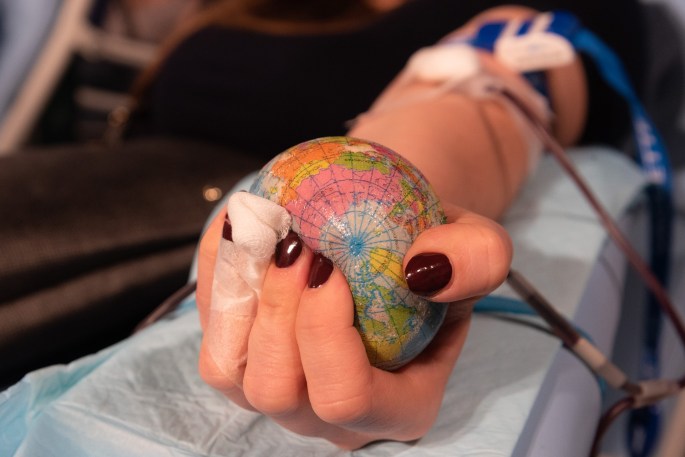
A femme-presenting hand squeezes a globe stress ball while the individual donates blood.

Reflecting on Barriers to Blood Donation

By Sarah Edmonds and Heather F. McClintock

As we look back on the month of June, which has played host to World Blood Donor Day, Pride Month in the USA, and an unrelenting continuation of COVID-19 and its variants, the time has never been better to discuss the need for and barriers to high rates of blood donation worldwide.

In order to maintain safety procedures during this pandemic, blood drives and many blood donation services were cancelled; this, paired with increased hospitalization rates and the investigation of plasma treatments for COVID-19 led to one of the worst global blood shortages in recent history. In some countries, blood donation rates dropped by a massive 40%. Based on the US Food and Drug Administration (FDA) recommendations, men who had sex with other men (MSM) within the past year were ineligible to donate and were required to stay celibate for at least a year to regain eligibility. However, on April 3, 2020 due to the deteriorating blood supply, as well as pressure from the media and various advocacy organizations, the FDA shortened the blood donation deferral period for MSM from 1 year to 3 months. With the new 3 month deferral period many MSM sought to donate blood in the United States. However, despite the changed FDA recommendations, many MSM were turned away from donating blood based on their sexual practices even though they were legally within their bounds to do so in the United States. 

Other nations, such as Italy and Spain, determine risk and deferments based on self-reported questionnaires which, depending on results, may completely ban individuals from ever donating blood at all. In contrast, Argentina implemented in 2015 a “gender neutral” risk-based approach that did not enforce policies based on sexual orientation or gender identity. This policy demonstrated no significant difference in the prevalence of HIV in spite of a substantial increase in the number of donors. This finding provides substantive evidence that an inclusive blood donor policy does not result in an increased risk of HIV in the blood supply.

Reevaluating the processes and biases in the process of screening blood donors in the United States would potentially allow for countless willing and healthy donors—who would under current policies be turned away—to help fight the ongoing blood shortage. Many organizations such as the National Alliance of State and Territorial AIDS Directors and the HIV Medicine Association have called for a complete rescission of the deferral period. Park et al. proposed an eligibility screening format that involves an individual risk-based screening protocol. This approach would not exclude donors based on gender identity or sexual orientation. This approach supports the equitable treatment of marginalized community members as blood donors while maintaining health and safety outcomes. 

As was the theme with the June 14th World Blood Donor Day, giving blood keeps the world beating. By making blood donation sites more abundant, more accessible, and more mobile we can be sure to see a marked increase in willing donors. Above all, we can and must make blood donation accessible and viable (with equitable access regardless of sexual orientation) for as many willing unpaid donors as possible in order to fight this blood shortage and to continue saving lives in the future.