
Cuban Disaster Preparedness: Lessons Learned

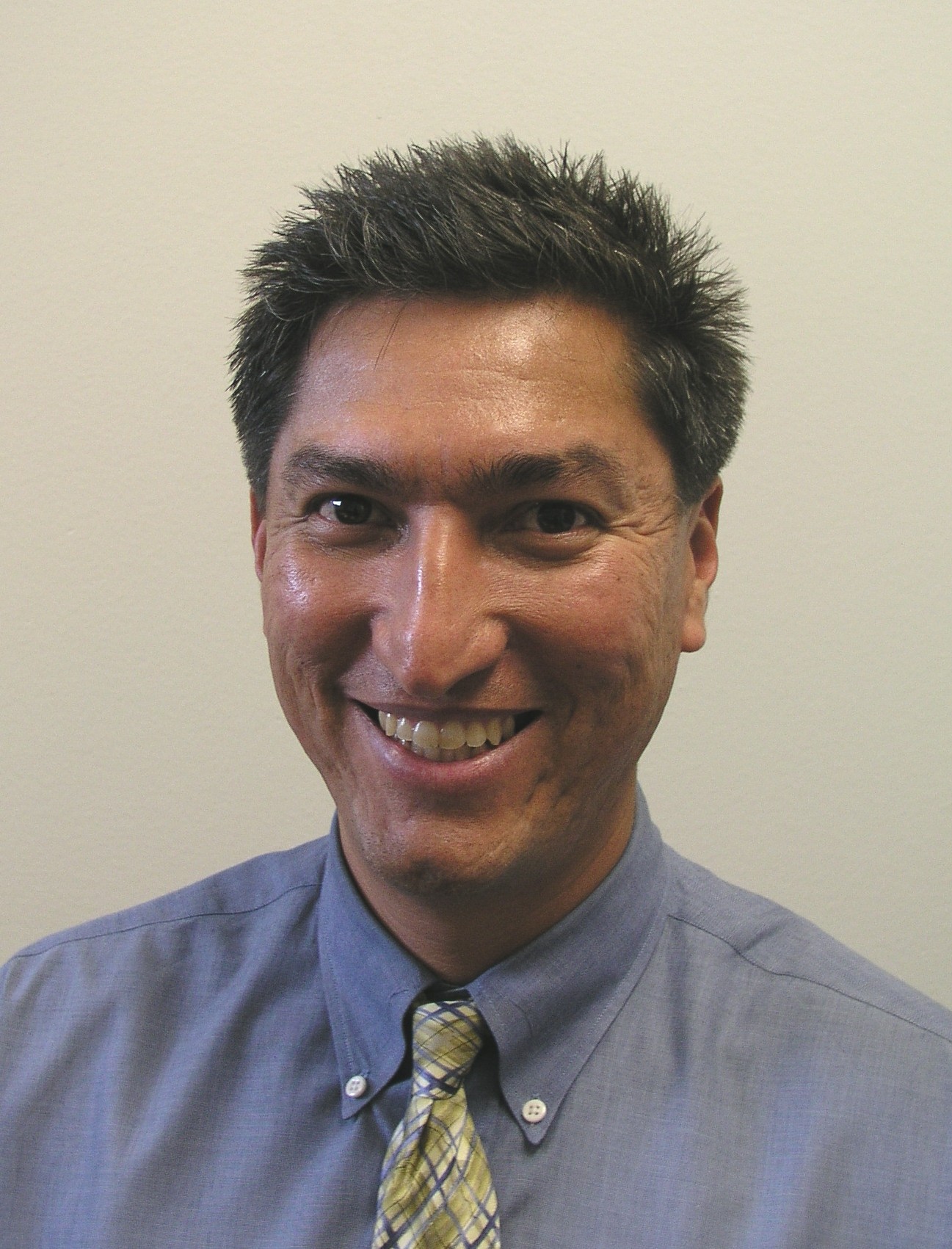
Guest blogger: Joe Vargas

The California Disaster Medical Services Association, in conjunction with the Medical Education Cooperation with Cuba (MEDICC), provided an opportunity for 17 health care professionals to be part of an exciting research team to examine Cuba’s acclaimed public health system, including its renowned disaster preparedness and medical response systems. The research group traveled to Havana, Cuba in December 2010 for nine full days of lectures, educational presentations and interchange with Cuban medical professionals and public health response teams. Although the United States has not had diplomatic relations with Cuba and travel is restricted, the group was allowed permission under the US treasury’s general license for professional research that includes full-time health and emergency response professionals doing research in Cuba.
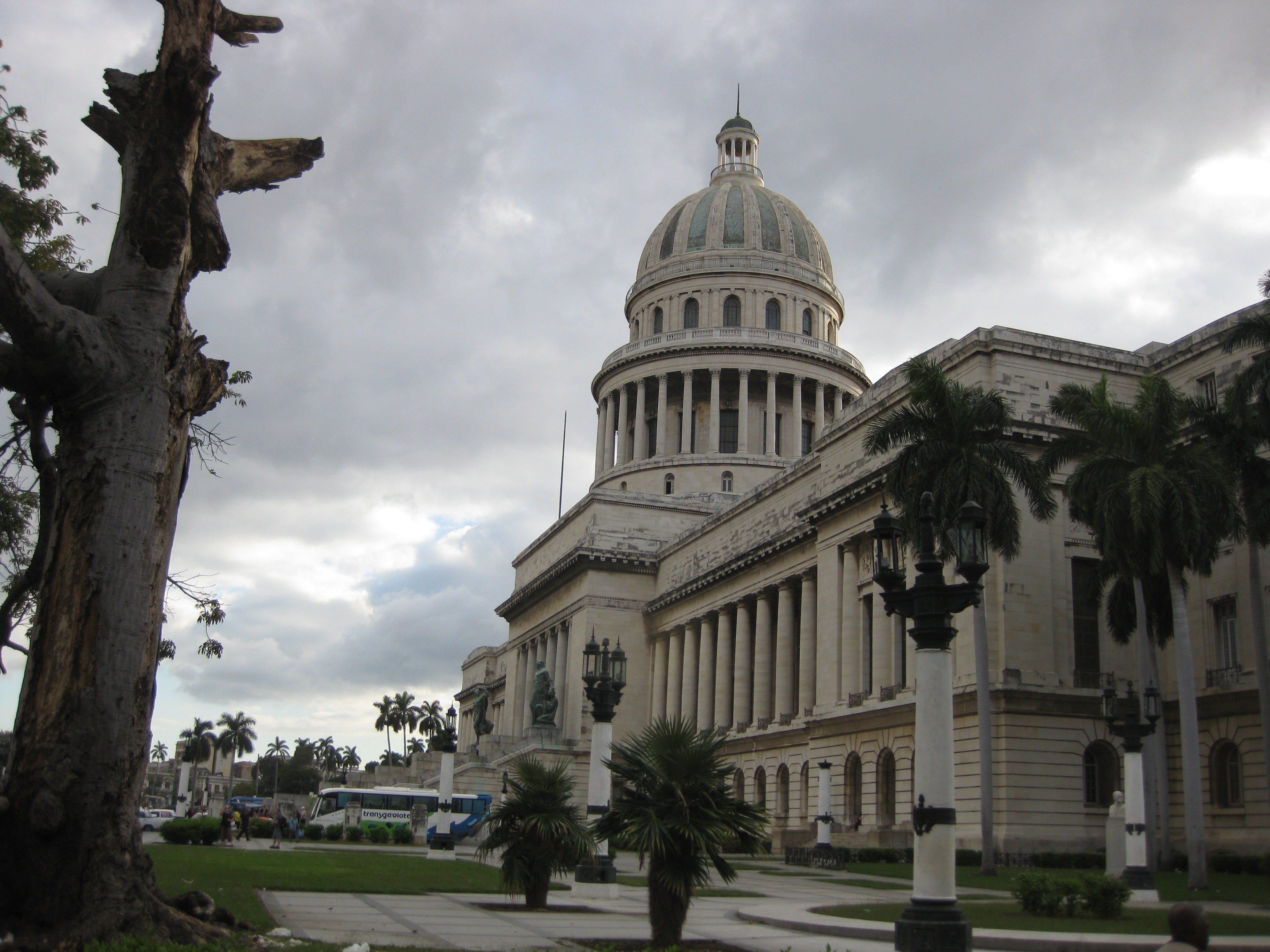
During the visit, the group examined Cuba’s elaborate yet unsophisticated system for population protection during disasters. Given their limited physical, technical and transportation resources, the Cuban people, including school children, are taught at an early age about their role and responsibility in a disaster. Education is compulsory up to the 12th grade. Cuba’s hurricane-prone geographical location has necessitated an efficient and coordinated approach with an emphasis on accurate, early and frequent communication information. These internationally recognized measures include prioritized evacuation procedures for vulnerable populations that include high-risk seniors, pregnant women, disabled and individuals living in remote areas where flooding occurs. Transportation is prearranged using city buses to evacuate large communities to safer ground until the storm diminishes. Other preparatory efforts include frequent meteorological reports, monitoring and the shutdown of power and utilities days before the storm arrives. Cuba is one of the few countries that offer early advisories and information phases as preludes to the hurricane watch. Historically, very few deaths and injuries have occurred as a result of the many powerful hurricanes (Charlie, Wilma, Ivan) that have struck Cuba using this preparation approach.
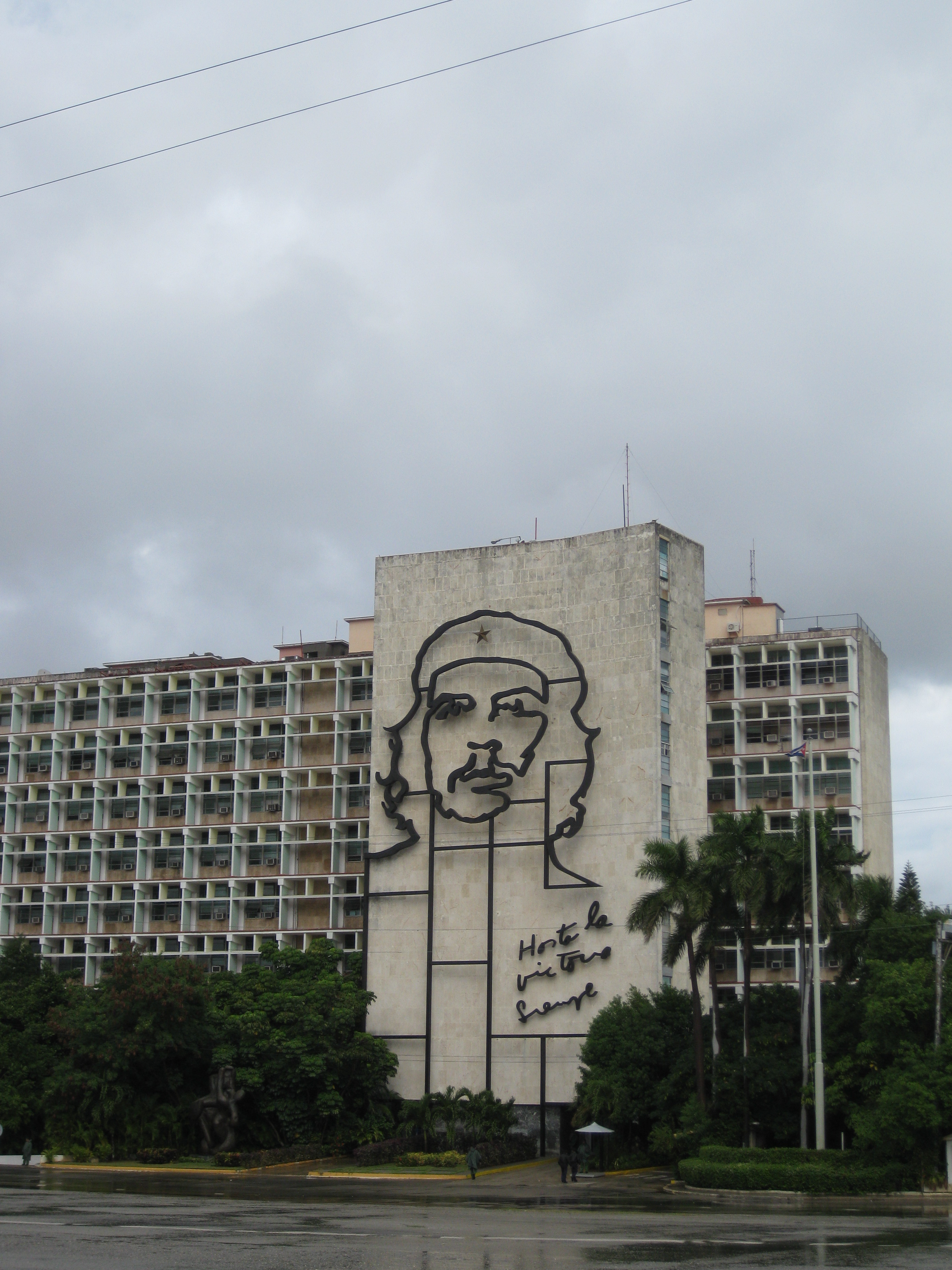
The group also toured several medical facilities including Havana’s polyclinics (neighborhood clinics). At these facilities, the research team was able to view Cuba’s robust primary prevention-focused medical system and understand its critical ties to civil defense teams and meteorological and information sharing systems. Highlights included meeting with grassroots organizations in disaster preparation, response and recovery, including neighborhood organizations and the neighborhood-based physician medical team. The Ministry of Public Health directs all health sectors to support a comprehensive system of healthcare specifically oriented to prevention activities and primary care. Family physicians work in residential neighborhoods where they are provided a home and a functional clinic. Working alongside a nurse, they are responsible for approximately 80-130 families in their community. This closeness allows healthcare professionals to provide immediate emergency and personal care to their neighbors. Physicians develop an overall understanding of all their community needs, which contributes to their overall wellness and whose population health indicators are comparable to developed countries like the US and Canada.

Team members will be sharing their experiences throughout the country at conferences and workshops. To schedule a presentation or for further information you may contact Joe Vargas at jvargas [at] ochca [dot] com.
Global Health News Last Week

The PSI Healthy Lives Blog has begun running a daily global health news summary called “The Healthy Dose,” written by Mark Leon Goldberg and Tom Murphy (who also blogs about development at A View from the Cave).

STUDENTS AND YOUNG PROFESSIONALS: The Global Health Corps is currently accepting applications for its Global Health Fellows Program, which comes highly recommended by just about everyone I have heard mention it.

February 6 was International No Tolerance Day to Female Genital Mutilation.

The Vatican will host an international conference in May on preventing AIDS and caring for those afflicted with it amid continued confusion over its position concerning condoms as a way to prevent HIV transmission.

The Global Fund announced the launch of new anti-corruption measures after intense scrutiny from donors following stories on fraud investigations by The Associated Press. Meanwhile, debate and public controversy over the AP’s presentation of the story rages on.

The discovery of a new type of mosquito, a subgroup of Anopheles gambiae (the species which transmits malaria), is causing concern among scientists because it appears to be very susceptible to the malaria parasite.

Bill Gates is becoming frantic in his pursuit to eradicate polio. In addition to making it the cornerstone of his 2011 annual letter, he held a webcast event last week, campaigned for funds at Davos, and is needling governments to donate funds for a “final push.” He is also beginning to irk some, who say he is distorting other priorities.

Cancer: the Next Challenge for Global Health

Guest blogger: Dr. Isobel Hoskins

We think of cancer as a disease of affluent countries. That may have been true in the 1970s, but since then, cancer levels in developing countries have risen alarmingly. This massive rise in cancer is one reason why a UN summit in June is addressing chronic diseases, including cancer, with the aim of kickstarting the fight against these illnesses.

Some figures: 5.5 million of the nearly 8 million deaths from cancer in 2008 happened in the developing world. Back in 1970 only 15% of cancers were found in the developing world. However, by 2008, according to the World Cancer Report, more than half of cases were in developing countries. These numbers hide a burden of misery – cancers in developing countries are often detected at a late stage – too late for many treatments. These patients often don’t even have access to pain medications.

What drove this increase? The WHO Director General, in a recent address to the IAEA, cited ageing, urbanization and the globalisation of unhealthy lifestyles. Population growth has also driven the numbers up. Isn’t it ironic that improved life expectancy leads to increased cancer burdens?

Many papers can be found indicating the enormous problem that cancer is for developing countries. Given the expense of treatment is there anything that can be done to reduce the cancer burden? Fortunately there is – I read a paper in the Lancet that gives a ray of hope…

Farmer et al. say that we shouldn’t accept that cancers in developing countries will remain untreated. Instead, we should make cancer prevention and treatment broadly available as rapidly as possible. We should consider the example of HIV and TB a decade ago: critics asserted that HIV and TB treatments were too complex and long term for weak health systems. These arguments proved unfounded. Farmer et al. point out examples of successful treatment and prevention of cancer in low resource settings that we can build on.

The approach should concentrate on curable and preventable cancers. Farmer et al. have come up with a list. These cancers can be prevented by reducing risk factors such as tobacco use or infection, or they can be cured by early detection and surgery methods or specific low cost systemic drugs. It includes some very common cancers: lung cancer, breast cancer, cervical cancer and liver cancer.

Many problems posed by cancer care, including cost of drugs and lack of infrastructure and specialists, was a big obstacle for HIV, too. The solutions could be similar: Farmer et al. suggest reducing drug cost by drug purchasing and production negotiations, as well as the use of primary and secondary caregivers to deliver services. The paper cites an example of cancer care in Malawi that uses such workers with remote support from specialists.

And if there is no suitable treatment, pain control is low cost, and the paper asserts that all should have access to that as a human right.

Farmer and co-authors have formed the Global Taskforce on Expanded Access to Cancer Care and Control in Developing Countries to address cancer care worldwide. I for one hope this taskforce prospers!

Dr Isobel Hoskins is Co-Editor of the bibliographic database Global Health which covers public health research worldwide. Global Health is produced by CABI, an international not-for-profit information provider. She’s usually found blogging on the Global Health Knowledge Base and on Twitter here: @CABI_Health.

Reflections on Community Based Participatory Research

Guest Blogger: Xeno Acharya

As an MPH student at University of Washington, Seattle, I have often wondered if Community Based Participatory Research (CBPR) is a philosopher’s stone in the academics’ head. Having worked in Ethiopia and Sudan (as the researcher) and having been born and raised in Nepal (as the researched), I have come face to face with both sides of this idealistic myth.

In short, CBPR is a research method that has three core elements: participation, research, and action. It emphasizes “authentic partnership” between the researcher and the community, in which perspectives, knowledge, resources, and skills of both are combined.

It is important to remember that most of the time it is the researcher that initiates the research, no matter how participatory. For purposes of convenience, let’s call the researcher M and the researched N. M brings in research funding, manpower, technology, and white man’s knowledge. N (hopefully) brings in local experience, networks, subjects, manpower, and consensus to have been intervened/researched. When I was in Sudan and Ethiopia, I was a Caucasian-looking male who was struggling with the language and cultural nuances, but who was also clearly better paid than most staff working in the same company although I neither had the educational background or the experience the local staff members did. My positionality affected the way my colleagues spoke to me about their work and about themselves, and no amount of CBPR could overcome that.

In Nepal, too, the same power dynamics played out. Although I am a native there and speak the language, I look “white,” and the clothes I wear and the way I walk scream the fact that I have clearly not been around in Nepal for a while. I work for a small non-profit based in Portland, Oregon, that runs a school for untouchable refugee children in Kathmandu. When I visit the school every couple of years, I get the attention (I like) from kids and parents alike, not just because I am the founder but also because of the same power dynamics that comes back to bite at me again and again. So I have settled for the fact that the imbalance is always going to be there no matter what. To me, CBPR is a theory that can never fully come to fruition. Like communism, the idea itself is good and is meant to do well, but a hundred percent CBPR is only a goal to strive for, never a reality.

That said, I think CBPR is still an idea to strive for. There are things I (as a researcher) can change to reduce the imbalance of power between myself and the researched/intervened, and they are still important to do. Reflecting on my own positionality and being aware of this power dynamics is something that I can constantly incorporate in my work; so can you!

Xeno Acharya, originally from Kathmandu, Nepal, is an MPH candidate at the University of Washington. In Nepal, he has worked with local NGOs on awareness campaigns on disability among children, taught in mobile schools for displaced populations, and currently runs a school for children of victims of the civil war (1996-2008) through Namaste Kathmandu; he has also worked on short-term projects in Ethiopia and Sudan. He is currently a research assistant in the Health Systems Strengthening division of a Seattle-based non-profit called International Teaching & Education Center for Health (I-TECH) and is interested in infectious disease prevention, refugee populations, and health systems strengthening.

Webcast: Polio Eradication and the Power of Vaccines (with Bill Gates)

Please tune in for a special webcast featuring Bill Gates, ABC World News anchor Diane Sawyer, Pulitzer Prize-winning historian David Oshinsky, and a panel of experts on:

Polio Eradication and the Power of Vaccines

Monday, January 31, 9:30 a.m. ET at www.gatesfoundation.org

To launch Bill Gates’ 3rd annual letter, the Bill & Melinda Gates Foundation invites you to join a conversation about the extraordinary progress in the fight to eradicate polio and the enormous lifesaving potential of vaccines.

Thanks to a global childhood immunization effort, polio has been reduced by 99% and we are on the cusp of eradicating only the second disease in history. This presents a powerful case for the value of vaccines.

Unique Perspectives
Bill Gates will join global leaders to discuss what the past can teach us about protecting children around the world from polio and other vaccine-preventable diseases. The event will be moderated by ABC World News anchor Diane Sawyer, and speakers include:

Dr. David Oshinsky, Pulitzer Prize-winning author, “Polio: An American Story”
Professor Helen Rees, University of Witwatersrand, South Africa; and Chair, WHO’s Strategic Advisory Group of Experts on Immunization
Dr. Ciro de Quadros, Executive Vice President, Sabin Vaccine Institute

Panelists will discuss why now is the time to rid the world of polio and ensure all children have access to lifesaving vaccines. No child deserves to face the threat of preventable disease, whether it’s polio, measles, or pneumonia.

To watch the live webcast, please visit www.gatesfoundation.org on Monday, January 31 at 9:30 a.m. ET. It will also be available on demand following the event.

About the Bill & Melinda Gates Foundation
Guided by the belief that every life has equal value, the Bill & Melinda Gates Foundation works to help all people lead healthy, productive lives. In developing countries, it focuses on improving people’s health and giving them the chance to lift themselves out of hunger and extreme poverty. In the United States, it seeks to ensure that all people—especially those with the fewest resources—have access to the opportunities they need to succeed in school and life. Based in Seattle, Washington, the foundation is led by CEO Jeff Raikes and Co-chair William H. Gates Sr., under the direction of Bill and Melinda Gates and Warren Buffett. Learn more at www.gatesfoundation.org.