
Cancer: the Next Challenge for Global Health

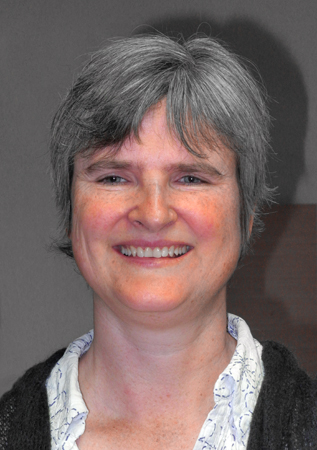
Guest blogger: Dr. Isobel Hoskins

We think of cancer as a disease of affluent countries. That may have been true in the 1970s, but since then, cancer levels in developing countries have risen alarmingly. This massive rise in cancer is one reason why a UN summit in June is addressing chronic diseases, including cancer, with the aim of kickstarting the fight against these illnesses.

Some figures: 5.5 million of the nearly 8 million deaths from cancer in 2008 happened in the developing world. Back in 1970 only 15% of cancers were found in the developing world. However, by 2008, according to the World Cancer Report, more than half of cases were in developing countries. These numbers hide a burden of misery – cancers in developing countries are often detected at a late stage – too late for many treatments. These patients often don’t even have access to pain medications.

What drove this increase? The WHO Director General, in a recent address to the IAEA, cited ageing, urbanization and the globalisation of unhealthy lifestyles. Population growth has also driven the numbers up. Isn’t it ironic that improved life expectancy leads to increased cancer burdens?

Many papers can be found indicating the enormous problem that cancer is for developing countries. Given the expense of treatment is there anything that can be done to reduce the cancer burden? Fortunately there is – I read a paper in the Lancet that gives a ray of hope…

Farmer et al. say that we shouldn’t accept that cancers in developing countries will remain untreated. Instead, we should make cancer prevention and treatment broadly available as rapidly as possible. We should consider the example of HIV and TB a decade ago: critics asserted that HIV and TB treatments were too complex and long term for weak health systems. These arguments proved unfounded. Farmer et al. point out examples of successful treatment and prevention of cancer in low resource settings that we can build on.

The approach should concentrate on curable and preventable cancers. Farmer et al. have come up with a list. These cancers can be prevented by reducing risk factors such as tobacco use or infection, or they can be cured by early detection and surgery methods or specific low cost systemic drugs. It includes some very common cancers: lung cancer, breast cancer, cervical cancer and liver cancer.

Many problems posed by cancer care, including cost of drugs and lack of infrastructure and specialists, was a big obstacle for HIV, too. The solutions could be similar: Farmer et al. suggest reducing drug cost by drug purchasing and production negotiations, as well as the use of primary and secondary caregivers to deliver services. The paper cites an example of cancer care in Malawi that uses such workers with remote support from specialists.

And if there is no suitable treatment, pain control is low cost, and the paper asserts that all should have access to that as a human right.

Farmer and co-authors have formed the Global Taskforce on Expanded Access to Cancer Care and Control in Developing Countries to address cancer care worldwide. I for one hope this taskforce prospers!

Dr Isobel Hoskins is Co-Editor of the bibliographic database Global Health which covers public health research worldwide. Global Health is produced by CABI, an international not-for-profit information provider. She’s usually found blogging on the Global Health Knowledge Base and on Twitter here: @CABI_Health.
Reflections on Community Based Participatory Research

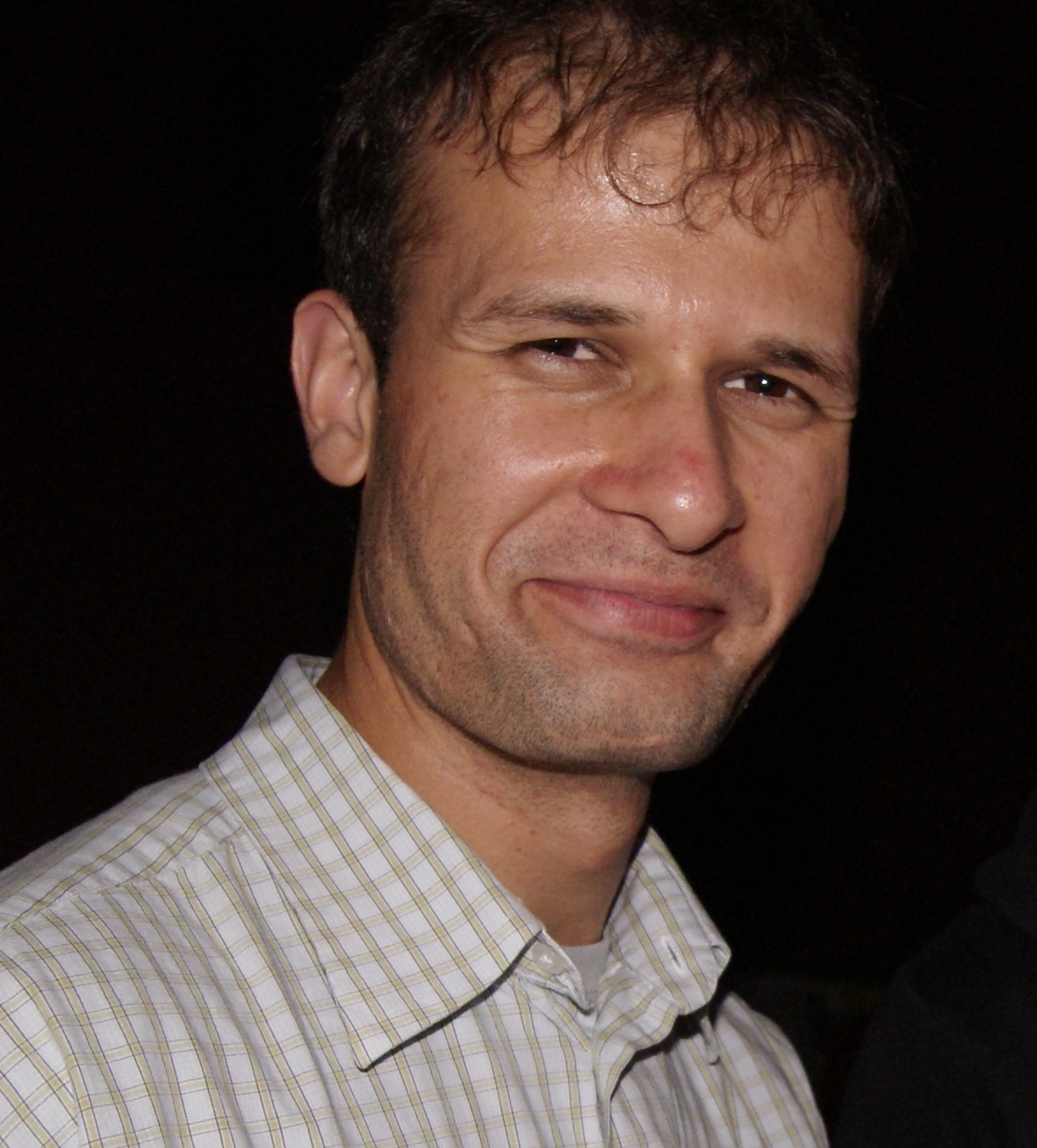
Guest Blogger: Xeno Acharya

As an MPH student at University of Washington, Seattle, I have often wondered if Community Based Participatory Research (CBPR) is a philosopher’s stone in the academics’ head. Having worked in Ethiopia and Sudan (as the researcher) and having been born and raised in Nepal (as the researched), I have come face to face with both sides of this idealistic myth.

In short, CBPR is a research method that has three core elements: participation, research, and action. It emphasizes “authentic partnership” between the researcher and the community, in which perspectives, knowledge, resources, and skills of both are combined.

It is important to remember that most of the time it is the researcher that initiates the research, no matter how participatory. For purposes of convenience, let’s call the researcher M and the researched N. M brings in research funding, manpower, technology, and white man’s knowledge. N (hopefully) brings in local experience, networks, subjects, manpower, and consensus to have been intervened/researched. When I was in Sudan and Ethiopia, I was a Caucasian-looking male who was struggling with the language and cultural nuances, but who was also clearly better paid than most staff working in the same company although I neither had the educational background or the experience the local staff members did. My positionality affected the way my colleagues spoke to me about their work and about themselves, and no amount of CBPR could overcome that.

In Nepal, too, the same power dynamics played out. Although I am a native there and speak the language, I look “white,” and the clothes I wear and the way I walk scream the fact that I have clearly not been around in Nepal for a while. I work for a small non-profit based in Portland, Oregon, that runs a school for untouchable refugee children in Kathmandu. When I visit the school every couple of years, I get the attention (I like) from kids and parents alike, not just because I am the founder but also because of the same power dynamics that comes back to bite at me again and again. So I have settled for the fact that the imbalance is always going to be there no matter what. To me, CBPR is a theory that can never fully come to fruition. Like communism, the idea itself is good and is meant to do well, but a hundred percent CBPR is only a goal to strive for, never a reality.

That said, I think CBPR is still an idea to strive for. There are things I (as a researcher) can change to reduce the imbalance of power between myself and the researched/intervened, and they are still important to do. Reflecting on my own positionality and being aware of this power dynamics is something that I can constantly incorporate in my work; so can you!

Xeno Acharya, originally from Kathmandu, Nepal, is an MPH candidate at the University of Washington. In Nepal, he has worked with local NGOs on awareness campaigns on disability among children, taught in mobile schools for displaced populations, and currently runs a school for children of victims of the civil war (1996-2008) through Namaste Kathmandu; he has also worked on short-term projects in Ethiopia and Sudan. He is currently a research assistant in the Health Systems Strengthening division of a Seattle-based non-profit called International Teaching & Education Center for Health (I-TECH) and is interested in infectious disease prevention, refugee populations, and health systems strengthening.

Webcast: Polio Eradication and the Power of Vaccines (with Bill Gates)

Please tune in for a special webcast featuring Bill Gates, ABC World News anchor Diane Sawyer, Pulitzer Prize-winning historian David Oshinsky, and a panel of experts on:

Polio Eradication and the Power of Vaccines

Monday, January 31, 9:30 a.m. ET at www.gatesfoundation.org

To launch Bill Gates’ 3rd annual letter, the Bill & Melinda Gates Foundation invites you to join a conversation about the extraordinary progress in the fight to eradicate polio and the enormous lifesaving potential of vaccines.

Thanks to a global childhood immunization effort, polio has been reduced by 99% and we are on the cusp of eradicating only the second disease in history. This presents a powerful case for the value of vaccines.

Unique Perspectives
Bill Gates will join global leaders to discuss what the past can teach us about protecting children around the world from polio and other vaccine-preventable diseases. The event will be moderated by ABC World News anchor Diane Sawyer, and speakers include:

Dr. David Oshinsky, Pulitzer Prize-winning author, “Polio: An American Story”
Professor Helen Rees, University of Witwatersrand, South Africa; and Chair, WHO’s Strategic Advisory Group of Experts on Immunization
Dr. Ciro de Quadros, Executive Vice President, Sabin Vaccine Institute

Panelists will discuss why now is the time to rid the world of polio and ensure all children have access to lifesaving vaccines. No child deserves to face the threat of preventable disease, whether it’s polio, measles, or pneumonia.

To watch the live webcast, please visit www.gatesfoundation.org on Monday, January 31 at 9:30 a.m. ET. It will also be available on demand following the event.

About the Bill & Melinda Gates Foundation
Guided by the belief that every life has equal value, the Bill & Melinda Gates Foundation works to help all people lead healthy, productive lives. In developing countries, it focuses on improving people’s health and giving them the chance to lift themselves out of hunger and extreme poverty. In the United States, it seeks to ensure that all people—especially those with the fewest resources—have access to the opportunities they need to succeed in school and life. Based in Seattle, Washington, the foundation is led by CEO Jeff Raikes and Co-chair William H. Gates Sr., under the direction of Bill and Melinda Gates and Warren Buffett. Learn more at www.gatesfoundation.org.

Global Health News Last Week

After the Lancet retracted the controversial Wakefield study last February, which suggested a link between the MMR vaccine and autism, BMJ has declared the study to be fraudulent after further investigation revealed that the author stood to make millions of dollars through lawsuits and diagnostic kits related to autism.

Kofi Annan urges the WHO executive board to set a date for measles eradication during their meeting, which will last until January 25.

Engineers Without Borders, Canada, is trying to change the way aid organizations represent their projects (and their failures) by launching Admittingfailure.com, a website where organizations can post their favorite failure. They hope to encourage groups to admit to, and learn from, their failures.

The Center for Global Development has posted an MDG progress index, which allows the user to see how different nations are progressing toward the MDG targets.

A research paper debunked claims made by UN environmental organizations that insecticide-free methods used in a malaria control project were effective at reducing transmission, thus making the case to stop the use of DDT.

End the Neglect posted a reading list on Thursday.

Developing nations continue to pressure the US and Russia to destroy their stocks of smallpox, though the WHO supports retention for research purposes.

Unlike many other countries, which are making progress in the fight against HIV/AIDS, Russia’s HIV epidemic is getting worse due to pervasive drug addiction. Meanwhile, religious leaders in Chechnya have declared the couples must obtain proof that they are HIV-negative in order to receive permission to marry.

Politicizing our National Health Security

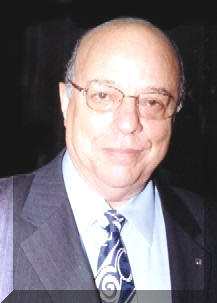
By Dr. Samir N. Banoob

In 1994, after the Republicans paralyzed the Clinton health reform proposal, I published an article in the Florida Journal of Public Health titled “Reforming health care in the US and Europe: Why we fail and they succeed.” It explained why health reforms succeed in other Western countries with policies of universal access and user-friendly systems. In our case, the Republicans sacrificed health security of all citizens to play the political game of “Repeal the Obama Affordable Health Care Act,” responding to lobbyists and funding from interest groups. Members of Congress who voted to repeal the law come from the same category of irresponsible politicians who represent special interests that opposed Social Security, Medicare and Medicaid for short political gains.

To review where we are, the American health care non-system:

  • is the only system that does not provide health security to its citizens. The uninsured population reached 46.3 million in 2008 (compared to 36 million in 1993) and is steadily increasing. If the status quo continues by repealing Obamacare, it is expected to reach 75 million in 2019.
  • is the most expensive system in the world. American healthcare expenditures made up 16.2% of our gross national income in 2008, compared to an average of 9% in Europe. Without the recently passed reforms, it will soon reach 25%, which is almost double the cost in any country of comparable national income. The cost per individual reached $7,681 in 2008.
  • has one of the lowest provider-to-population ratios and the highest administrator-to-provider ratios (8 administrators per 10 health providers) among Western nations. The administrative portion of private health insurance agency expenditures is 30%, compared to 2-4% in Medicare and governmental agencies.
  • has one of the lowest proportions of hospital beds for the population, the lowest hospital admission rate and the shortest length of hospital stay among Western nations. While European citizens use an average of 7-8 outpatient doctor visits per year, Americans use 3.8 visits per year.

These are just few features of our system that some falsely call “the best system in the world.” By technical and scientific standards, this system is ranked 37th among the 190 countries in the world. Life expectancy at birth, 78 years in the US, is among the lowest of industrial countries. Seven out of 1,000 American children die before their first birthday, a figure similar to that of Thailand and Lithuania. While many are proud of our rate of high-tech surgical procedures, research has demonstrated that about 20% of these procedures are unnecessary and are financially driven or performed to avoid litigation. The scientific measures of quality of care indicate that the American system is, at best, comparable to most Western countries.

Many opponents of the reforms cite concerns such as mandating insurance coverage or government involvement. However, health insurance is compulsory in most developed nations to avoid the costs incurred by individuals who do not pay for coverage and go to emergency rooms for care, shifting the cost to the insured. Also, the notion that the public option will increase government’s involvement in health care is false: about 45% of Americans’ health care costs are covered by governmental programs, including Medicare, Medicaid, Veterans health services, and state and local government services. Another allegation is the cost and the deficit, but this does not take into account the savings for individuals and families from reducing out-of pocket costs, as well as the cost to employers, who will either pay more or will lower health benefits or shift the cost to the employees. Others intentionally confuse the debate by bringing in political ideology or simply targeting the President and the Democratic party. This irresponsible act will hurt all Americans in the future.

It is essential at this time to focus the debate on the health system. To those fighting for repeal, please come with the alternatives first. What will happen to the escalating number of citizens who are uninsured, and those who have preexisting conditions, and the skyrocketing health care cost?

Let us play politics away from the nation’s health security.

More Information
WHO World Health Statistic 2009 Report (PDF)
OECD Health Data 2009

Samir Banoob, M.D., D.M., D.P.H., Ph.D., is the president of International Health Management, consulting firm in Florida that leads international health projects and trains scholars from more than 70 countries. He has taught as a professor of international health policy and management and has worked as a consultant to WHO, World Bank, and other international agencies on projects in 76 countries. He served as the Chair of the International Health Section from 1992 to 1994, and again from 2006 to 2008.